The multimedia world is absolutely buzzing right now, isn’t it? It feels like every other week, there’s a new tech innovation completely changing how we create, consume, and even interact with content.
I’ve been diving deep into this space, and honestly, the opportunities for startups are more exciting than ever before. We’re talking about a landscape where Artificial Intelligence isn’t just a buzzword, but a practical tool helping creators produce stunning videos and music in minutes, not days.
Think about it – from AI-powered video generators crafting compelling content from text to sophisticated tools reinventing film dubbing with accurate lip-syncing, AI is truly empowering a new generation of content creators.
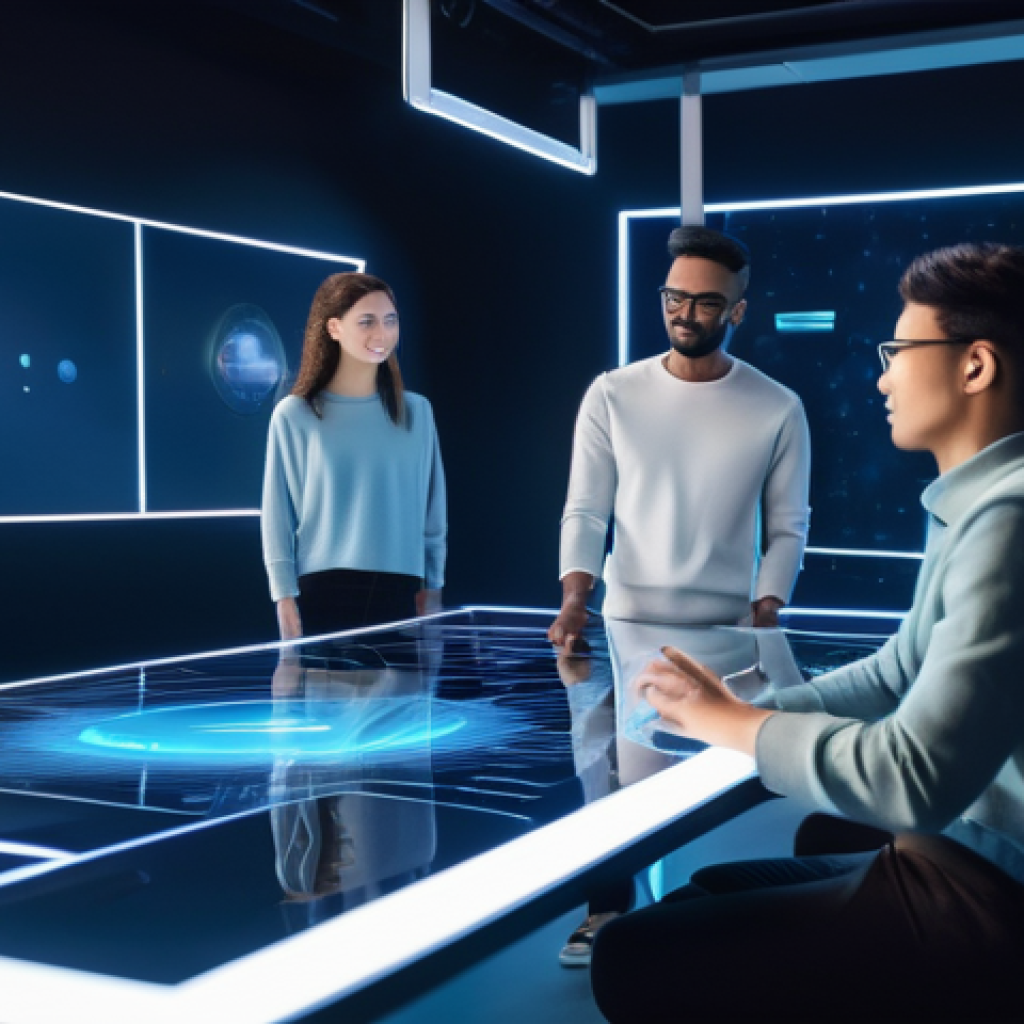
But it’s not just AI. The rise of immersive experiences, particularly in Augmented Reality (AR) and Virtual Reality (VR), is genuinely transformative.
Imagine attending a virtual concert from your living room or trying on clothes with an AR app before you buy them. These technologies are no longer confined to niche gaming communities; they’re seeping into entertainment, education, marketing, and even real estate, offering incredible new ways for businesses to engage with their audience.
What I’ve personally noticed is how these trends are fueling the creator economy, allowing individuals to monetize their passions and build thriving communities like never before.
The blending of personalized content, interactive experiences, and accessible creation tools is creating a fertile ground for entrepreneurs. It’s a dynamic, fast-paced environment where traditional media models are being challenged, and innovation is happening at lightning speed.
If you’ve been dreaming of launching something big in the digital realm, now is definitely the time to pay attention. The future of multimedia is being built right now, and trust me, you don’t want to miss out on understanding the forces shaping it.
In the article below, we’ll dive into some fascinating startup ideas that are truly hitting the mark in this evolving space.
Revolutionizing Content Creation with AI-Powered Tools

It’s almost unbelievable how rapidly artificial intelligence has transformed the creative landscape. Honestly, a few years back, the idea of generating high-quality video or music with just a few text prompts sounded like something out of a sci-fi movie.
But here we are! I’ve been experimenting with several AI video generators, and what truly astounds me is how accessible they’ve made professional-grade content production.
No longer do you need an entire studio or a team of editors to craft engaging visuals. Startups leveraging these tools are popping up everywhere, enabling solo creators and small businesses to punch way above their weight.
Think about the sheer volume of content a single individual can now produce – from social media ads to explainer videos – all without grappling with complex editing software.
This dramatically lowers the barrier to entry, fostering an explosion of diverse voices and innovative narratives. My experience tells me that creators who embrace these AI tools are going to be light-years ahead, capturing audiences with content that feels both fresh and professionally polished, ultimately boosting engagement and potential ad revenue.
AI-Driven Video Production for Every Creator
For anyone who’s ever wrestled with video editing software, the advent of AI video generators feels like a godsend. I remember spending countless hours trying to perfectly cut clips, sync audio, and apply decent transitions.
Now, with platforms like Synthesys or Pictory, you can literally type out a script, choose a voice, select some visuals, and boom – you have a complete video in minutes.
It’s not just about speed; it’s about empowerment. Small businesses can create compelling product demos, educators can produce engaging lessons, and individual influencers can churn out daily content without burning out.
What I’ve personally seen is how these tools allow for rapid iteration and A/B testing, meaning creators can quickly refine their content based on audience feedback.
This isn’t just a gimmick; it’s a fundamental shift in how video content is conceptualized and executed, opening up massive opportunities for startups that either build these tools or specialize in using them to serve specific niches.
Soundscapes and Scores: The AI Music Revolution
And it’s not just video! The world of music production is undergoing a similar seismic shift thanks to AI. I’ve always admired musicians, but the technical skill and equipment needed to compose and produce original scores were always intimidating to me.
Now, with tools like AIVA or Soundraw, even someone with no musical background can generate unique soundtracks, background music, or jingles tailored to their specific needs.
Imagine a podcaster needing bespoke intro music, or a game developer requiring an adaptive score – AI can deliver this in an instant. This opens up a huge market for creators who can curate and customize AI-generated music for clients, or for platforms that offer libraries of AI-composed tracks.
The emotional resonance of music is undeniable, and now, access to original scores is democratized. My take is that this isn’t about replacing human composers, but rather augmenting their capabilities and providing an invaluable resource for the vast majority of content creators who aren’t trained musicians but desperately need high-quality audio.
Immersive Experiences: The New Frontier of Engagement
The buzz around Augmented Reality (AR) and Virtual Reality (VR) isn’t just hype; it’s a tangible reality that’s reshaping how we interact with digital content.
What I’ve found particularly compelling is how these technologies are moving beyond the realm of niche gaming and into everyday applications, creating incredibly sticky and engaging user experiences.
I mean, trying on clothes virtually before you buy them or placing furniture in your living room with an AR app? That’s not just cool; it’s genuinely useful and drives purchasing decisions.
For startups, this space is brimming with potential. We’re talking about everything from virtual tourism experiences that transport you across the globe to training simulations that offer hands-on learning without physical risk.
The level of immersion these technologies provide fosters a deeper connection with the content, extending dwell time and creating memorable interactions, which are gold for any business looking to captivate an audience.
Bridging Realities: AR in Everyday Life
Augmented Reality, for me, is the true unsung hero because it seamlessly blends digital information with our physical world, enhancing our reality without completely replacing it.
I’ve seen firsthand how AR apps are changing the retail experience. Imagine walking into a store, pointing your phone at a product, and instantly seeing its reviews, ingredients, or even a virtual demonstration.
Or consider the power of AR in education, making complex concepts come alive in a 3D overlay right in your classroom or home. Startup ideas here could range from hyper-localized AR experiences for urban exploration to practical tools for field service technicians who need to overlay schematics onto real-world equipment.
The beauty of AR is its accessibility through existing smartphone technology, meaning the barrier to adoption for users is relatively low, making it a fertile ground for entrepreneurs looking to solve real-world problems with innovative digital solutions.
Virtual Worlds: Transforming Commerce and Community
Then there’s Virtual Reality, which offers a complete escape into a digitally constructed world. While AR enhances our reality, VR allows us to step into entirely new ones.
I’ve been exploring platforms like Meta Horizon Worlds and VRChat, and what strikes me most is the burgeoning sense of community and the potential for commerce within these virtual spaces.
Think about virtual concerts where you’re “there” with thousands of other avatars, or virtual storefronts where you can interact with products in 3D. The pandemic really accelerated interest in these spaces, demonstrating their power for remote work, social gatherings, and even large-scale events.
For startups, the opportunities are vast: developing bespoke virtual environments, creating unique avatars and digital fashion, or building tools for virtual event management.
The key here is not just replicating the real world, but offering experiences that are uniquely possible in a virtual space, forging new avenues for engagement and monetization.
The Creator Economy’s Next Big Wave: Personalized and Interactive Content
The creator economy isn’t just growing; it’s evolving at an astonishing pace. What started with individual content creators sharing their passions on platforms like YouTube and Instagram has matured into a sophisticated ecosystem where personalization and interactivity are paramount.
I’ve noticed a significant shift from passive consumption to active participation, and this is where I see immense potential for new ventures. Audiences today don’t just want to watch; they want to engage, influence, and even co-create.
This drives deeper connections and, crucially for monetization, significantly increases audience loyalty and dwell time. Startups that can help creators deliver highly personalized experiences or build truly interactive content are poised for massive success.
It’s about empowering creators to move beyond one-size-fits-all broadcasts and instead cultivate bespoke experiences that resonate individually with their diverse fan bases.
Hyper-Personalization: Connecting with Audiences on a Deeper Level
In an ocean of content, standing out requires more than just being good; it requires being relevant to each individual. This is where hyper-personalization comes in, and frankly, I think it’s the future.
Imagine a fitness influencer who can offer personalized workout plans based on real-time user data, or a learning platform that adapts its curriculum to each student’s pace and preferences.
I’ve personally used services that tailor news feeds or product recommendations, and the difference in engagement is palpable. For creators, this means leveraging AI and data analytics to understand their audience deeply and deliver content that feels uniquely crafted for each person.
Startup ideas could include platforms that enable micro-segmentation of an audience, AI tools that generate personalized content variants, or analytics dashboards that help creators understand individual viewer journeys.
This isn’t just about showing the right ad; it’s about building a bond that feels genuine and exclusive.
Interactive Storytelling: Engaging Users Like Never Before
Gone are the days when stories were simply told; now, they’re experienced. Interactive storytelling is blowing up, and it’s captivating audiences in ways traditional media simply can’t.
From “choose your own adventure” style videos on YouTube to immersive narratives in VR, people love having a say in how a story unfolds. I’ve seen brands use interactive quizzes and polls within their video content to drive engagement, and the results are always impressive in terms of audience participation and retention.
This creates a powerful feedback loop, allowing creators to understand their audience’s preferences in real time. Startups could focus on developing tools for creators to easily build interactive video experiences, platforms for branching narratives, or even gaming elements integrated into traditional content formats.
My take is that providing agency to the audience transforms them from passive viewers into active participants, fostering a sense of ownership and making the content far more memorable.
Reinventing Media Distribution and Monetization Models
The landscape of how content reaches its audience and how creators earn a living from it is constantly shifting. The old guard of traditional broadcasting and ad-hoc advertising is giving way to innovative models that prioritize direct creator-to-fan relationships and diversified income streams.
I’ve always believed in empowering creators to control their destiny, and what I’m seeing now is a huge surge in platforms and strategies that make this a reality.
This isn’t just about finding new ways to make money; it’s about building sustainable careers for talented individuals and ensuring that quality content can thrive outside of the traditional gatekeepers.
For any aspiring entrepreneur in the multimedia space, understanding these evolving distribution and monetization strategies isn’t just smart; it’s absolutely essential.
We’re moving beyond simple ad revenue to a more complex, yet ultimately more rewarding, ecosystem.
Beyond Traditional Subscriptions: Micro-Monetization and NFTs
While subscriptions have been a staple for years, what’s really exciting me are the newer micro-monetization strategies and the burgeoning world of Non-Fungible Tokens (NFTs).
Imagine being able to support a creator by buying a unique digital collectible tied to their work, or paying a small fee for exclusive early access to content without committing to a monthly subscription.
I’ve dabbled in collecting NFTs for digital art, and the sense of direct ownership and support for the artist is incredibly powerful. This creates new, more direct income streams that can be far more predictable and lucrative than relying solely on advertising.
Startups could be building platforms for fractional ownership of content, tools for creators to easily mint and sell NFTs, or even marketplaces for digital assets tied to multimedia experiences.
This is a game-changer for creators, allowing them to truly own their work and derive value directly from their most loyal fans.
Direct-to-Consumer Platforms: Empowering Independent Creators

The beauty of the internet has always been its ability to connect people directly, and that’s precisely what’s happening with content distribution. Creators are increasingly bypassing traditional aggregators and building their own direct-to-consumer (D2C) platforms.
Whether it’s a creator launching their own streaming service, building a dedicated community forum, or selling digital products directly from their website, the trend is clear: cut out the middleman.
My own experience with various online communities has shown me that fans often prefer to support creators directly, feeling a stronger connection when they know their contributions go straight to the artist.
This model gives creators more control over their content, branding, and monetization terms. For startups, this means developing white-label D2C solutions, robust e-commerce integrations for digital goods, or advanced analytics tools that help creators understand their audience’s purchasing habits.
It’s about fostering independence and creating a truly creator-centric economy.
| Emerging Multimedia Trend | Startup Opportunity Example | Key Benefit to Creators/Users |
|---|---|---|
| AI-Powered Content Generation | Automated Video Marketing Platform | Speed, cost reduction, professional quality without expertise |
| Augmented Reality (AR) Experiences | AR Retail Try-On App | Enhanced shopping experience, reduced returns, immersive interaction |
| Virtual Reality (VR) Social Spaces | Custom VR Event Hosting Service | Global reach for events, new forms of community, immersive entertainment |
| Interactive Storytelling | Branching Narrative Video Tool | Higher engagement, personalized user journeys, unique content |
| Micro-Monetization & NFTs | Creator-Focused NFT Marketplace | Direct fan support, new revenue streams, digital asset ownership |
| Direct-to-Consumer Platforms | White-Label Streaming Service Builder | Full content control, higher revenue share, direct audience relationship |
Accessibility and Inclusivity in Multimedia Tech
One aspect of this multimedia revolution that I’m incredibly passionate about is how these new technologies are making content creation and consumption more accessible and inclusive than ever before.
It’s not just about flashy graphics or advanced algorithms; it’s about breaking down barriers for people with disabilities, offering tools that cater to diverse linguistic backgrounds, and ensuring that creativity isn’t limited by technical skill or financial resources.
My personal philosophy is that technology should empower everyone, and I’ve been actively seeking out startups that truly embody this ethos. The potential for social impact, alongside the obvious market opportunities, in this area is immense.
When we design with inclusivity in mind from the start, we open up entire new markets and foster a richer, more diverse ecosystem of creators and content.
Breaking Down Barriers: Tools for Diverse Creators
Historically, certain aspects of content creation, especially video and complex graphics, required specialized training or expensive equipment. This often excluded individuals with limited resources or those with certain physical challenges.
However, the rise of AI-powered tools and intuitive interfaces is changing this dramatically. I’ve seen fantastic innovations in areas like AI-driven captioning and audio descriptions, which make video content accessible to hearing and visually impaired audiences.
Similarly, voice-to-text and text-to-speech tools are opening up new avenues for those who struggle with traditional input methods. Startup opportunities here are plentiful, ranging from developing more sophisticated accessibility plugins for existing platforms to creating entirely new creative suites designed with universal access in mind.
It’s about recognizing that creativity knows no bounds, and technology should reflect that.
Global Reach: Localization and Translation Innovations
In our increasingly interconnected world, content no longer respects geographical boundaries. However, language barriers can still be a significant hurdle.
This is where the latest innovations in localization and AI-powered translation are truly revolutionary. I’ve personally experienced the frustration of wanting to enjoy content from another country only to find no adequate translation.
Now, AI is making it possible to not just translate text, but to dub videos with natural-sounding voices and even lip-sync to the new language, creating an incredibly seamless experience.
This is a massive win for creators looking to expand their audience globally and for consumers wanting to access a wider array of content. Startups could focus on hyper-accurate AI dubbing services, platforms that manage multi-language content delivery, or tools that help creators tailor their content culturally for different regions.
The ability to effortlessly bridge linguistic divides means content can truly go viral on a global scale, tapping into entirely new markets.
The Future of Live Events: Hybrid and Virtual Spectacles
The past few years have undeniably reshaped our relationship with live events. While the energy of an in-person gathering is irreplaceable, the innovations spurred by necessity have opened up a whole new world for hybrid and purely virtual spectacles.
What I’ve found fascinating is how these new formats aren’t just stop-gaps but are evolving into sophisticated experiences that offer unique advantages.
From global conferences to music festivals, the ability to engage audiences regardless of their physical location has become a powerful tool for event organizers and content creators alike.
This shift isn’t going away; it’s becoming an integral part of how we gather, learn, and celebrate. For startups, this space presents an incredible opportunity to redefine what a “live event” truly means, pushing the boundaries of technology to create memorable and scalable experiences.
Crafting Seamless Hybrid Event Experiences
Hybrid events, where both in-person and remote attendees participate simultaneously, are proving to be particularly challenging but incredibly rewarding.
It’s not enough to simply stream a live event; the key is to create an engaging and equitable experience for *both* audiences. I’ve attended hybrid conferences where the virtual component felt like an afterthought, and others where it was seamlessly integrated, allowing for real-time interaction between physical and digital participants.
Startups are finding success by developing platforms that facilitate this dual experience, offering features like interactive virtual stages, networking tools that connect remote attendees with those on-site, and advanced analytics to track engagement across both formats.
My personal belief is that the future of many large-scale events lies in this hybrid model, and companies that can master the art of blending physical and virtual presence will dominate this segment.
Virtual Arenas: The Next Generation of Entertainment
Beyond hybrid events, purely virtual arenas are emerging as a powerful new form of entertainment and community gathering. Imagine a concert not just streamed, but experienced within a custom-built virtual world, complete with dynamic visuals, interactive elements, and a global audience of avatars dancing alongside you.
I’ve seen some incredible examples of artists performing in virtual spaces, attracting millions of concurrent viewers, and offering an entirely new dimension to live music.
This isn’t just a video game; it’s a social space where fans can connect, express themselves, and be part of a shared, immersive moment. For entrepreneurs, the opportunities include designing and building these virtual venues, developing unique avatar customizations, or creating interactive content that enhances the virtual event experience.
The possibilities are truly boundless, as these virtual arenas can host anything from fashion shows to product launches, offering a scalable and imaginative alternative to traditional physical spaces.
Wrapping Up
Wow, what a journey we’ve been on, exploring the incredible shifts happening in multimedia tech! It’s genuinely thrilling to witness how AI, AR, VR, and evolving monetization models are not just changing the game, but completely redefining the playing field for creators and consumers alike.
My hope is that this deep dive has given you a clearer picture of the immense potential out there and perhaps sparked some ideas of your own. Remember, the digital world is always in motion, and staying curious and adaptable is your best strategy for riding these exciting waves.
What truly makes me excited is the sheer democratization of creativity these tools are bringing, allowing more voices to be heard and more stories to be told.
Useful Information to Know
1. Embrace AI as a Co-Pilot: Don’t view AI tools as replacements, but rather as powerful assistants that can supercharge your productivity and open up new creative avenues. Experiment with different platforms to find what best fits your workflow, whether it’s for generating video scripts, music, or even initial visual concepts. The learning curve is surprisingly low for most, and the time saved is invaluable. I’ve found that integrating AI into the early stages of content creation frees up so much time for the truly creative, human-centric parts of the process.
2. Think Immersive First: When planning new content, consider how you can leverage AR or VR to create a more engaging, interactive experience. It’s not just for big brands anymore; simple AR filters for social media or basic VR experiences can significantly boost dwell time and user interaction. Imagine the difference between a static product image and one you can “place” in your home using AR – it’s a game-changer for conversion rates. Even subtle interactive elements can make your audience feel more connected to your content.
3. Diversify Your Income Streams: Relying solely on ad revenue is becoming increasingly risky. Explore micro-monetization through platforms like Patreon, consider creating unique digital assets (NFTs) related to your work, or build your own direct-to-consumer platform. The more diversified your income, the more resilient your creator business will be. I personally love seeing creators build direct relationships with their most loyal fans, as it fosters a stronger community and provides more stable income.
4. Prioritize Accessibility: Designing content with accessibility in mind from the outset isn’t just good practice; it expands your potential audience dramatically. Think about features like captions, audio descriptions, and multi-language support. AI tools are making these much easier to implement. An inclusive approach ensures your message reaches a broader, more diverse audience, which ultimately leads to greater impact and engagement. It’s about ensuring no one is left out of the amazing content you’re creating.
5. Stay Agile with Live Events: The future of events is hybrid and virtual. If you’re planning any kind of gathering, from a small workshop to a large conference, consider how you can effectively blend in-person and online experiences. Platforms that facilitate seamless interaction between both groups are key. My own experience with hybrid events has shown that the ones that truly shine are those that put equal thought into the virtual attendee’s journey as they do for those physically present. This is where innovation truly happens!
Key Takeaways
The multimedia landscape is undergoing a radical transformation driven by AI, immersive technologies like AR/VR, and innovative approaches to the creator economy.
We’re witnessing a powerful shift towards personalized, interactive content and diversified monetization models that empower creators more than ever before.
Critically, these advancements are also paving the way for greater accessibility and inclusivity, ensuring that a wider range of voices can participate and thrive.
The future promises a rich tapestry of experiences, where technology fuels creativity and connects us in increasingly profound ways. Stay curious, keep creating, and never stop exploring what’s next!
Frequently Asked Questions (FAQ) 📖
Q: How can aspiring entrepreneurs and creators best leverage
A: I and immersive tech to kickstart their projects today? A1: Honestly, getting started might seem daunting with all the buzzwords flying around, but it’s more accessible than ever, trust me!
The key, I’ve found, is to pick a niche you’re genuinely passionate about and then dive into the tools. You don’t need a huge budget or a tech degree anymore.
For AI, start with user-friendly platforms that offer AI video generation or AI-powered music composition. Many even have free trials or freemium models, which is perfect for experimenting.
Think about how AI can automate the tedious parts of your creative process – scripting, voiceovers, even basic editing. This frees you up to focus on the truly creative, human-centric aspects.
When it comes to immersive tech like AR and VR, don’t feel like you need to build the next Metaverse from scratch. There are fantastic no-code or low-code AR development kits that let you create interactive experiences for mobile devices with surprising ease.
Imagine an AR filter for your brand, or a simple VR walkthrough of a product. The trick is to experiment. Play around with these tools, join online communities, and see what others are creating.
What I personally recommend is focusing on solving a specific problem or enhancing an existing experience. Is there a way to make learning more engaging with AR?
Can you create a unique virtual event space with VR that builds stronger community connections? Start small, learn by doing, and let your passion guide you.
The biggest hurdle I see people face is simply not taking that first step because they think it’s too complex. It’s not! Just jump in.
Q: What are some of the most exciting and viable startup ideas you’ve seen emerging in this multimedia landscape?
A: Oh, this is where it gets really exciting! I’ve been keeping a close eye on this, and honestly, the innovation is breathtaking. One area that’s absolutely exploding is AI-powered personalized content generation.
Think about platforms that can create tailored marketing videos, blog posts, or even short stories for individual users based on their preferences. This moves beyond generic content and really hits that sweet spot for engagement.
I’ve seen companies building AI tools that help small businesses create professional-quality social media ads in minutes, complete with script, visuals, and music, all customized to their brand.
Another incredibly promising avenue is in hyper-realistic AI dubbing and localization with lip-syncing. This isn’t just about translating; it’s about making dubbed content look and feel completely natural, opening up global markets for films, educational content, and corporate training videos like never before.
Imagine a Hollywood movie that sounds and looks like it was originally shot in multiple languages – that’s the future we’re seeing. And then there’s the entire realm of immersive education and training.
Startups are creating AR apps that let medical students practice surgery on virtual organs, or VR environments where engineers can collaborate on complex 3D models from different continents.
The engagement and retention rates from these experiences are just phenomenal. Also, look out for interactive virtual event platforms that go beyond basic video calls, incorporating gamification, personalized avatars, and dynamic networking spaces.
People are craving connection, and these platforms are delivering it in truly innovative ways. The common thread? They all leverage technology to create richer, more personal, and more efficient experiences.
Q: How can creators effectively monetize their content amidst these new multimedia trends?
A: Monetization is often the elephant in the room, isn’t it? It’s one thing to create amazing content, but turning it into a sustainable livelihood is a whole different ballgame.
What I’ve personally learned, and what I always tell aspiring creators, is that diversification is your best friend. Don’t put all your eggs in one basket!
While AdSense revenue from your blog or YouTube channel is a great baseline, think beyond it. First, direct audience support is huge. This could be through platforms like Patreon, Ko-fi, or even exclusive content tiers on your own website.
People who genuinely love your work are often willing to support you directly, especially if you offer them something unique in return, like early access, behind-the-scenes content, or direct Q&A sessions.
Secondly, brand partnerships and sponsorships are incredibly lucrative. As you build your authority and audience, brands will want to tap into your influence.
Make sure these partnerships genuinely align with your values and your audience’s interests – authenticity is key. I’ve found that audiences can spot a forced ad from a mile away!
Third, consider digital products or services. Could you create a specialized guide, a digital template, or offer consulting based on your expertise in these multimedia tools?
For instance, if you’re amazing at AI video creation, could you offer a course or create custom videos for clients? Finally, don’t forget the potential of virtual goods and NFTs, especially if you’re dabbling in AR/VR or digital art.
Creating unique digital assets that your audience can collect or use in virtual worlds is an emerging, but increasingly significant, revenue stream. The core idea is to always provide immense value to your audience, understand what they need, and then creatively find ways to meet those needs while building a business around your passion.
It’s about building a community, not just an audience, and offering them multiple ways to engage and support you.