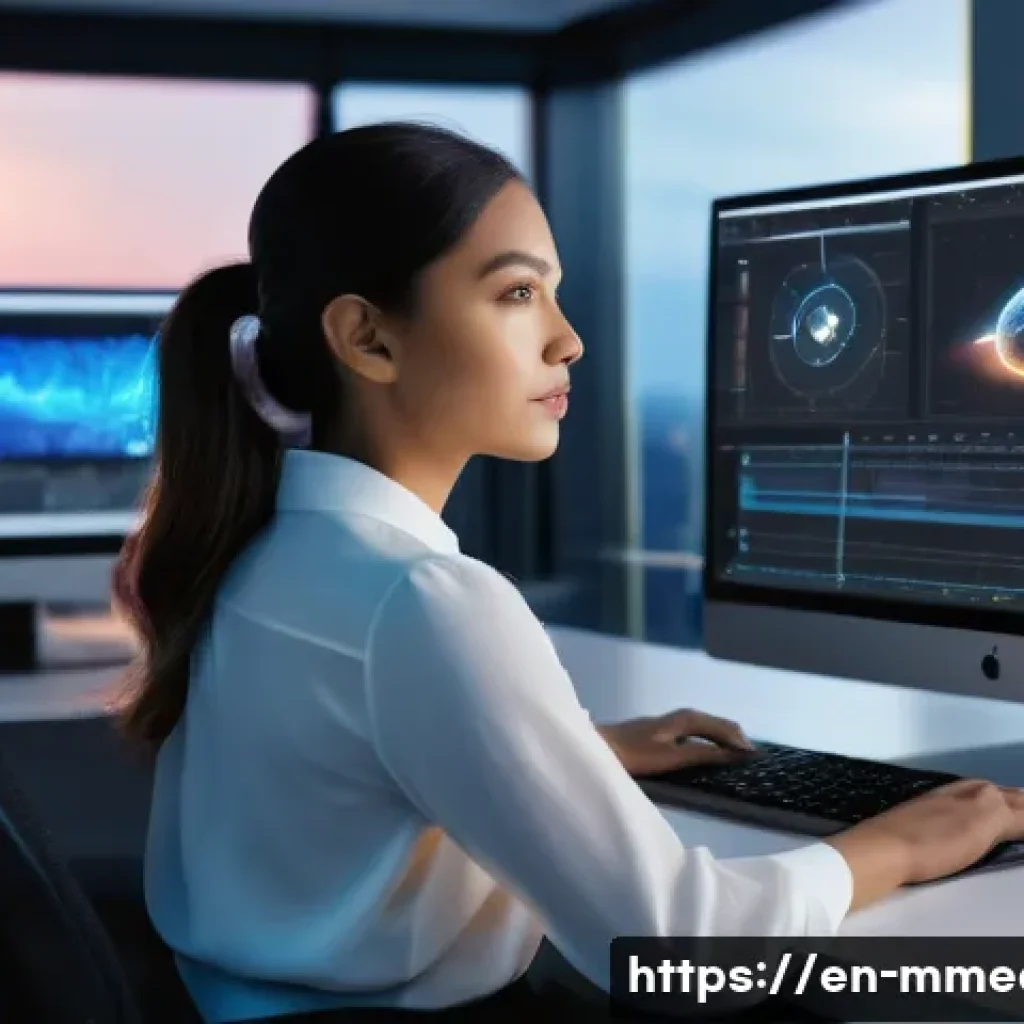
Hey there, fellow creators! If you’re anything like me, you’ve probably felt the ground shifting under your feet in the world of video editing lately.

It’s absolutely buzzing with innovation, and honestly, trying to keep up can feel like a full-time job in itself. From incredible AI tools that automate the once-tedious tasks to mind-bending immersive experiences with VR and AR, the landscape is transforming at warp speed, opening up possibilities we only dreamed of a few years ago.
I’ve been experimenting with some of these cutting-edge techniques myself, and let me tell you, they’re not just fleeting fads; they’re redefining how we tell stories and connect with audiences.
Getting a handle on these trends isn’t just about staying relevant; it’s about unlocking new levels of creativity and efficiency for your projects. You want to craft content that truly stands out, right?
We’re talking about captivating viewers from the first second and keeping them hooked until the very end, whether it’s a quick social media bite or a cinematic masterpiece.
Let’s dive in and accurately understand what’s shaping the future of video production!
AI Takes the Driver’s Seat: Smart Editing, Smarter Content
Automating the Tedious, Unleashing Creativity
Alright, let’s get real about AI in video editing. When I first heard about AI tools hitting the market, I’ll admit, I was a little skeptical. Would it truly help, or just add another layer of complexity?
But after diving in headfirst, I can tell you, the game has irrevocably changed. We’re talking about AI that can literally analyze your footage, identify the best shots, and even assemble a rough cut for you.
Think about the hours saved on those mind-numbing tasks like cutting out silences or sifting through endless takes. Tools like Adobe Sensei and Runway ML are becoming absolute lifesavers, automating everything from noise reduction and color correction to generating subtitles in multiple languages.
It means I spend less time wrestling with technicalities and more time focusing on the creative magic—the storytelling, the emotional beats, the *vibe* of the whole piece.
This isn’t just about speeding things up; it’s about freeing up your mental bandwidth to truly innovate. The efficiency boost is just wild, allowing even small teams or solo creators to produce polished, high-quality content that used to require a much larger crew.
It’s like having a super-smart assistant who never sleeps and always gets the job done right.
Beyond Basic Edits: AI for Storytelling and Personalization
But here’s where it gets *really* exciting: AI is moving way beyond just automating basic tasks. We’re seeing tools that can actually help with the storytelling itself.
Imagine AI suggesting B-roll clips that fit your narrative perfectly or even drafting scripts and voiceovers. This is happening! It’s not about replacing the human touch, but enhancing it in ways we never thought possible.
For instance, some platforms are now using generative AI to maintain character consistency across different scenes, even when you’re merging visuals from various sources.
This is a huge win for episodic content or longer brand campaigns where continuity is key. And personalization? Oh, my goodness, AI is making it possible to tailor videos dynamically based on viewer data, delivering localized ads or individualized learning modules at a scale that was once a pipe dream.
I’ve been playing around with tools that help adapt content for different platforms, automatically resizing and reformatting videos for TikTok, Instagram Reels, and YouTube Shorts.
This cross-platform optimization is a serious time-saver and ensures your content always looks its best, no matter where it’s viewed. It’s like having a bespoke editor for every single platform, all rolled into one smart system.
The Cloud is Your New Creative Hub: Seamless Collaboration, Anywhere, Anytime
Breaking Down Barriers: Real-Time Teamwork Across Continents
If you’ve ever worked on a video project with a team, you know the struggle: sending huge files back and forth, dealing with conflicting versions, and trying to sync up feedback from different time zones.
It used to be a massive headache, slowing down entire productions. But let me tell you, cloud-based collaboration has absolutely transformed how I approach team projects.
It’s like magic! Platforms such as Frame.io and Blackmagic Cloud are allowing editors, directors, and clients to work together in real-time, no matter where they are in the world.
I’ve personally experienced the joy of getting instant feedback on an edit, seeing comments pop up exactly on the timeline where the change is needed, and then implementing it without having to download or re-upload anything.
This seamless workflow isn’t just convenient; it drastically cuts down on delays and misunderstandings, making the whole creative process so much smoother and more enjoyable.
It means my creative partners in London can be reviewing a cut while I’m still making tweaks here in Los Angeles, and it all just… works. This truly unleashes global talent and creativity.
Scaling Your Ambitions: Resources on Demand
Beyond just collaboration, the cloud offers something incredibly powerful: scalable resources. Remember the days of needing a super-powered editing rig just to handle complex projects, constantly worrying about storage space or rendering times?
Those days are rapidly becoming a relic of the past, thankfully. Cloud platforms provide scalable storage and processing power that can adapt to projects of any size.
Whether I’m working on a quick social media ad or a feature-length documentary, I can access the computing power I need without investing in expensive hardware.
This democratizes high-end video production, making it accessible to a much broader range of creators and businesses. It also means I can quickly pivot between projects, knowing that my resources will expand or contract as needed.
This flexibility is a game-changer, especially for freelancers or growing agencies that can’t afford to constantly upgrade their physical infrastructure.
It’s like having an entire supercomputer available at your fingertips, only paying for what you use, when you need it. This freedom allows me to take on bigger, more ambitious projects without breaking the bank or my brain.
Short-Form Reigns Supreme: Hook Them Fast, Keep Them Forever
Mastering the Micro-Moment: Crafting Engaging Vertical Content
Okay, let’s talk about the elephant in the room – or rather, the vertical video on everyone’s phone! If you’re not already knee-deep in creating short-form, vertical content, you’re missing out on where the vast majority of eyeballs are these days.
The dominance of TikTok, Instagram Reels, and YouTube Shorts isn’t just a fleeting fad; it’s a fundamental shift in how people consume video. As someone who’s spent countless hours trying to capture attention in those crucial first few seconds, I can tell you it’s an art form in itself.
You need bold visuals, super quick cuts, and kinetic typography that grabs the viewer and doesn’t let go. It’s not just about repurposing horizontal content; it’s about shooting and editing *for* vertical from the start, thinking about framing, text overlays, and pacing that works best on a phone screen.
I’ve personally found that optimizing for mobile-first viewing means everything from text size to the speed of transitions needs to be carefully considered.
It’s about creating content that feels native to the platform, not just an afterthought.
Beyond the Scroll: The Art of the Instant Connection
But it’s not just about being short; it’s about being *impactful*. In a world where attention spans are measured in seconds (seriously, some studies say less than a goldfish!), every single frame of a short-form video has to pull its weight.
This means a strong hook in the first three seconds is non-negotiable. I’ve experimented with everything from surprising facts and direct questions to humorous starts, and the goal is always the same: give them a reason to stop scrolling.
What I’ve found is that authenticity often trumps ultra-high production value here. People want genuine connection. They want content that speaks to them directly, whether it’s a quick tip, a behind-the-scenes glimpse, or a relatable moment.
The constant challenge is to convey a clear, concise message without any fluff. And don’t forget sound design! Even if people are watching on mute, a trending audio track can significantly boost discoverability and engagement.
It’s a dynamic dance of visuals, text, and sound, all designed to create an instant, memorable connection.
Stepping into the Screen: Immersive Experiences with VR and AR
Crafting Worlds: 360-Degree Stories and Interactive Elements
Okay, let’s talk about getting *inside* the video! VR and AR have really grown up, moving far beyond being just sci-fi concepts. I remember years ago, the idea of 360-degree video felt clunky and a bit niche.
Now, with advancements in hardware and software, creating truly immersive experiences is becoming increasingly accessible and impactful. We’re not just watching a story anymore; we’re stepping into it.
Imagine editing a travel vlog where your audience can literally look around a bustling market square in Morocco, or a documentary where they can explore an ancient ruin as if they were there.
It’s mind-blowing! These 360-degree experiences require a different approach to editing, focusing on guiding the viewer’s attention within an expansive canvas rather than a fixed frame.
I’ve even seen interactive elements being woven in, allowing viewers to click on hotspots to uncover more information or choose their own narrative path.
It’s about creating a sense of presence and agency that traditional video just can’t replicate. This is where storytelling gets a whole new dimension, making the audience an active participant rather than a passive observer.
Merging Realities: AR Overlays and Virtual Try-Ons
And then there’s Augmented Reality – blending the digital with our physical world. This is where things get really practical and exciting for brands and creators.
Think about AR overlays that add interactive graphics or information to a live video feed. I’ve seen retailers letting customers “try on” clothes or visualize furniture in their homes through AR-powered videos, giving them a tangible sense of the product before buying.
Travel companies are offering virtual tours that layer digital information onto real-world locations. For us video editors, this means thinking about how our content can interact with the viewer’s environment.
It’s not just about what’s *on* the screen, but what’s *around* it, and how digital elements can enhance that reality. This requires a strong understanding of spatial design and how virtual objects behave in a real-world context.
It’s a fantastic way to create highly engaging, memorable experiences that feel truly cutting-edge and personal. The potential for product showcases, educational content, and even immersive gaming is just immense, and it’s only going to grow from here.
The Power of the Personal Touch: Tailored Videos for Every Viewer
From Generic to Genuine: Data-Driven Storytelling
Let’s face it: in today’s crowded digital landscape, generic content just doesn’t cut it anymore. People are bombarded with information, and they’ve become incredibly discerning.
What really makes someone stop scrolling and truly engage? It’s that feeling of being seen, understood, and spoken to directly. That’s where personalized video swoops in as a game-changer.
I’ve personally witnessed the incredible difference it makes when a video feels tailor-made for me, and I’m sure you have too. This isn’t just about adding a viewer’s name to a title card; it’s about leveraging data to create video content that genuinely resonates with individual needs, preferences, and behaviors.
Whether it’s a product recommendation based on past purchases, a customized onboarding video, or a recap of a customer’s year with a service, the impact is profound.
It shifts the entire dynamic from broadcasting a message to having a genuine conversation, even if it’s automated. The ROI of this kind of personalized engagement is simply staggering, far outperforming any one-size-fits-all approach.
Building Deeper Connections: The ROI of Relevance
The beauty of personalized video lies in its ability to build much deeper, more meaningful connections with your audience. When someone receives a video that clearly understands their journey or interests, they feel valued, respected, and heard.
I mean, who doesn’t appreciate that? This goes a long way in fostering loyalty and trust. Consumers are significantly more likely to feel valued by a brand, and much more likely to become or remain a customer, after receiving personalized videos.
It’s not just a “nice-to-have”; it’s a critical strategy for relevance and business growth. For creators, this means thinking beyond broad demographics and delving into the specifics of your audience segments.
How can you use the data available to craft stories that speak directly to their desires, their challenges, their aspirations? It’s about being incredibly smart with your storytelling, ensuring every narrative thread connects directly to the individual viewer.
The future isn’t just about more video; it’s about more *relevant* video, and personalization is the key to unlocking that relevance.
Visual Storytelling Elevated: Cinematic Grading and Dynamic Graphics
Color as Emotion: The Art of Mood-Setting Hues
If you’ve ever watched a movie that just *felt* right, chances are a huge part of that was due to its cinematic color grading. Color is an incredibly powerful, often subconscious, storytelling tool, and in 2025, video editors are truly mastering it.
It’s not just about making things look “good”; it’s about using color to evoke specific emotions, set the mood, and enhance the narrative without saying a single word.
I’ve been experimenting with bold, stylized LUTs and custom mood-driven palettes to transform raw footage into something truly expressive. Whether you’re aiming for the gritty realism of a documentary, the dreamy pastels of a whimsical short, or the vibrant energy of a music video, the right color grade can make all the difference.
It’s a nuanced art, requiring an understanding of color theory and how different hues interact to create a desired emotional impact. When done well, it can elevate your video from simply showing to truly *feeling*, drawing your audience deeper into the story you’re telling.
This is where an editor’s eye for detail truly shines, crafting a visual language that speaks volumes.
Motion That Moves: Engaging Viewers with Kinetic Energy
Beyond static visuals, dynamic typography and motion graphics are absolutely essential for captivating today’s audiences, especially in the fast-paced world of short-form content.
I’ve found that bold, animated text overlays aren’t just decorative; they’re incredibly effective at highlighting key messages, grabbing attention, and keeping viewers hooked.
Think about how a word literally *pops* onto the screen, emphasizing its meaning, or how a sleek animation transitions between scenes, adding energy and flow.
Tools like After Effects and even simpler mobile apps are making advanced motion graphics more accessible than ever, allowing creators to infuse their videos with kinetic energy that was once reserved for high-budget productions.
It’s about creating visual rhythm and excitement that complements your editing pace. When I’m working on a project, I always ask myself: how can I use motion to make this information more digestible, more engaging, more *memorable*?
Whether it’s animated lower thirds, expressive title sequences, or subtle graphic accents, dynamic visuals are key to cutting through the noise and making your content truly stand out.
| Trend Category | Key Benefits for Creators | Example Tools/Concepts |
|---|---|---|
| AI-Powered Editing | Automates tedious tasks, enhances efficiency, offers creative assistance, speeds up content creation. | Adobe Sensei, Runway ML, AI-generated subtitles, automated rough cuts. |
| Cloud Collaboration | Enables real-time teamwork globally, flexible resource scaling, streamlined feedback. | Frame.io, Blackmagic Cloud, shared project files, remote access. |
| Short-Form Video | High engagement rates, wider audience reach on mobile-first platforms, quick content consumption. | TikTok, Instagram Reels, YouTube Shorts, strong hooks, vertical optimization. |
| Immersive Experiences | Deepens viewer engagement, offers unique storytelling possibilities, interactive content. | VR (360-degree video), AR overlays, virtual try-ons, interactive hotspots. |
| Personalized Video | Builds stronger customer relationships, increases loyalty and trust, higher conversion rates. | Data-driven content, individualized messages, custom onboarding videos. |
| Visual Elevation | Enhances emotional impact, sets mood, improves message clarity, professional polish. | Cinematic color grading (LUTs), dynamic typography, motion graphics, VFX. |
Wrapping Up
Wow, what a journey through the ever-evolving landscape of video editing and content creation! It’s truly incredible to see how rapidly technology is reshaping what’s possible, from the nitty-gritty of AI-powered edits to the expansive worlds of immersive storytelling.
My hope is that this deep dive has given you not just a glimpse into the future, but actionable insights you can start integrating today. Remember, it’s all about staying curious, experimenting fearlessly, and always putting your audience at the heart of your creative process.
Embrace these innovations, and watch your content—and your connection with your viewers—reach incredible new heights.
Handy Tips You’ll Love
1. Don’t be afraid to lean into AI tools for your tedious tasks. Seriously, offloading things like transcription, initial cuts, or even color correction can free up so much of your creative energy for the fun stuff – the storytelling, the emotion, the magic that only you can bring. It’s not about replacing you; it’s about empowering you to do more, better.
2. Get comfortable with cloud collaboration. Even if you’re a solo creator now, understanding how shared project files and real-time feedback systems work will future-proof your workflow and open doors to exciting partnerships you might not even foresee. Plus, that scalability for processing power? Absolute game-changer for big projects on a small budget.
3. Prioritize short-form, vertical video. It’s where the attention is, and mastering that quick-hit storytelling style is a crucial skill. Think about your hook in the first three seconds, bold text, and a compelling call to action. Native content for each platform isn’t just a suggestion anymore; it’s a requirement for maximum reach.
4. Explore the possibilities of immersive content, even if it’s just dabbling. VR and AR are no longer niche; they’re becoming mainstream. Understanding how to tell stories in 360 degrees or how to integrate augmented reality overlays can set your content apart and give your audience truly unique, memorable experiences.
5. Always, always, strive for personalization. Generic content gets lost in the noise. Leverage any data you have – even anecdotal observations about your audience – to tailor your videos. When someone feels seen and understood by your content, you’re not just getting a view; you’re building a relationship, and that’s the most valuable currency in the digital world.
Key Takeaways
The landscape of video creation is undergoing a monumental transformation, driven by advancements in AI, cloud technology, and evolving viewer habits.
To stay relevant and impactful, creators must embrace automation for efficiency, leverage collaborative tools for global reach, master the art of short-form vertical content for immediate engagement, and explore immersive and personalized experiences to forge deeper connections.
Ultimately, success lies in blending cutting-edge technology with authentic storytelling, continually adapting to new platforms and audience expectations, and always pushing the boundaries of visual and emotional impact.
Frequently Asked Questions (FAQ) 📖
Q: How is
A: I truly revolutionizing video editing for creators like us, beyond just speeding things up? A1: When I first heard about AI in editing, I honestly thought it was just a buzzword, something for the tech giants, but let me tell you, it’s a total game-changer for independent creators too.
Sure, it speeds things up – and oh my goodness, that alone is a blessing! I’ve personally used AI to whip up social media cuts from a long-form video in a fraction of the time it used to take me, which means more content out there catching eyes.
But it’s more than just speed. AI is empowering us to achieve professional-level polish without needing a full post-production team. Think about it: AI-powered tools can now automatically transcribe your footage, making subtitles a breeze and even letting you edit by simply deleting text!
They can intelligently color grade your entire project to achieve a consistent look, remove unwanted objects from a shot like magic, or even enhance shaky footage into something silky smooth.
This isn’t just about saving time; it’s about elevating the quality of our storytelling, making our content more engaging and professional, which directly helps boost those all-important watch times and keeps audiences coming back for more.
In my experience, these tools free up so much mental space, allowing me to focus on the truly creative aspects of narrative and emotion. It’s like having a super-efficient assistant who handles all the tedious stuff, leaving you to be the visionary.
Q: VR and
A: R sound incredibly futuristic. Are they genuinely accessible tools for independent video creators today, or are they still just for big studios? A2: For a while, I completely felt like VR and AR were locked away in some high-tech lab, reserved only for blockbuster movie sets or huge corporate campaigns with bottomless budgets.
But the truth is, the accessibility for creators like you and me has absolutely exploded! We’re not talking about needing custom-built rigs anymore. Affordable 360-degree cameras are readily available, and the software to edit that immersive footage is becoming incredibly user-friendly.
I’ve been playing around with some fantastic, budget-friendly setups myself, and the learning curve isn’t nearly as steep as you might think. Imagine taking your audience inside a story, letting them look around and choose their own perspective!
Beyond full VR experiences, AR is making huge strides in social media, allowing us to create interactive filters and effects that add layers of engagement to our regular videos.
Think about how many brands and influencers use AR filters on Instagram or TikTok – that’s accessible creation! These tools aren’t just gimmicks; they’re powerful ways to stand out in a crowded digital landscape, offering unique viewing experiences that can captivate viewers and foster deeper engagement.
Deeper engagement often translates to longer view durations and more shares, which ultimately boosts your content’s reach and, yes, your monetization potential through ads or even unique sponsored content opportunities.
Q: With so many new trends popping up, what’s the one crucial thing a video editor should prioritize right now to stay ahead of the curve and connect with audiences?
A: Oh, if there’s one piece of advice I’d give my younger self, or any creator feeling a bit overwhelmed by the pace of change right now, it’s this: prioritize continuous learning and genuine adaptability.
It’s not about mastering every single new piece of software overnight, which would be impossible, but about having an open mind and being willing to try new things and understand their why.
The landscape is constantly evolving, and the creators who truly connect with their audience are the ones who are curious, experimental, and always refining their craft.
For me, that means dedicating a bit of time each week to exploring new features in my editing software, experimenting with new formats like vertical video for shorts, or diving into tutorials for AI tools that promise to streamline my workflow.
I recently spent a weekend diving into a new AI-powered editing suite, and it unlocked possibilities I hadn’t even considered for my travel vlogs. The trick is to see these trends not as threats, but as new tools to enhance your unique voice, not replace it.
Your audience connects with you and your storytelling. By staying curious and integrating new techniques thoughtfully, you ensure your content remains fresh, relevant, and engaging, which directly impacts audience retention and growth.
And as we all know, a growing, engaged audience is the bedrock of a sustainable and profitable creative journey.