Hey everyone! As someone who lives and breathes digital content, I know firsthand how thrilling it is to create, share, and connect with a global audience.
We pour our hearts and souls into our videos, podcasts, and designs, hoping to make an impact. But let’s be real, the digital world, for all its amazing opportunities, can sometimes feel like a legal minefield, especially when it comes to multimedia content.
One minute you’re riding high on a viral hit, and the next you’re staring down a confusing copyright claim or a bewildering privacy concern. It’s like, who owns what when AI is generating half the artwork, or when a deepfake can make anyone say anything?
These aren’t just abstract legal theories; they’re real challenges that can cost us our work, our reputation, and even our earnings. I’ve seen too many talented creators get tripped up, and honestly, it’s a total buzzkill.
That’s why understanding the ins and outs of multimedia law isn’t just for lawyers anymore—it’s absolutely essential for *all* of us in the creator economy.
With new regulations constantly emerging, especially around AI-generated content and data privacy, staying informed is our best defense and our biggest opportunity.
It’s about protecting your passion and making sure your incredible work gets the recognition it deserves, without any nasty surprises. Let’s dive in and precisely figure out how to navigate these tricky waters together, ensuring your creations are both brilliant and bulletproof!Hey everyone!
As someone who lives and breathes digital content, I know firsthand how thrilling it is to create, share, and connect with a global audience. We pour our hearts and souls into our videos, podcasts, and designs, hoping to make an impact.
But let’s be real, the digital world, for all its amazing opportunities, can sometimes feel like a legal minefield, especially when it comes to multimedia content.
One minute you’re riding high on a viral hit, and the next you’re staring down a confusing copyright claim or a bewildering privacy concern. It’s like, who owns what when AI is generating half the artwork, or when a deepfake can make anyone say anything?
These aren’t just abstract legal theories; they’re real challenges that can cost us our work, our reputation, and even our earnings. I’ve seen too many talented creators get tripped up, and honestly, it’s a total buzzkill.
That’s why understanding the ins and outs of multimedia law isn’t just for lawyers anymore—it’s absolutely essential for *all* of us in the creator economy.
With new regulations constantly emerging, especially around AI-generated content and data privacy, staying informed is our best defense and our biggest opportunity.
For instance, recent rulings by the U.S. Copyright Office emphasize that human authorship is a “bedrock requirement” for copyright protection, meaning purely AI-generated works generally aren’t eligible, which is a huge consideration if you’re leaning on AI tools.
Also, the rise of deepfake technology brings complex issues of consent, intellectual property, and defamation, with governments like the EU and China implementing stricter transparency and labeling requirements.
These aren’t just whispers; they’re rapidly developing legal landscapes that directly impact what we can create and how we can protect it. It’s about protecting your passion and making sure your incredible work gets the recognition it deserves, without any nasty surprises.
Let’s dive in and precisely figure out how to navigate these tricky waters together, ensuring your creations are both brilliant and bulletproof!
Decoding AI Authorship: Who Really Owns Your Digital Masterpiece?
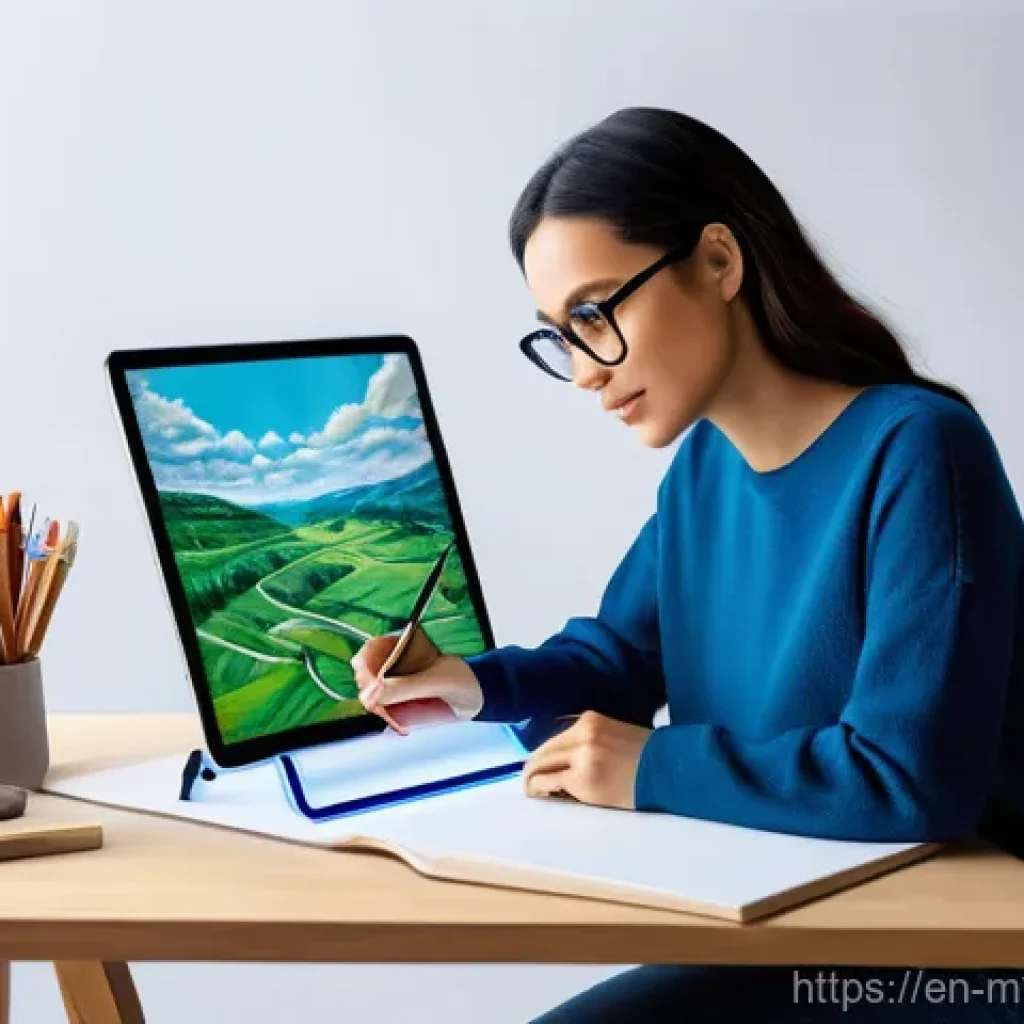
When we talk about creating content these days, it’s impossible to ignore the elephant in the room: artificial intelligence. Tools like Midjourney, DALL-E, and ChatGPT have revolutionized how we brainstorm, design, and even write, but they’ve also thrown a massive curveball into the world of intellectual property.
I’ve personally experimented with AI art generators, and while the results can be breathtaking, a nagging question always lingers: who truly owns this stunning image I just prompted into existence?
The U.S. Copyright Office has been pretty clear that for a work to be copyrighted, it needs human authorship. This means if you simply type a prompt and let the AI do all the heavy lifting, your “masterpiece” might not get the same legal protections as a piece you created with your own hands or traditional tools.
It’s a bit of a bummer, right? Especially when you’ve invested your time, creativity, and even money into these AI subscriptions. I remember a friend of mine, a digital artist, got a bit of a shock when she tried to register a collection of AI-generated pieces and was told they wouldn’t qualify unless there was significant human input in the *creation* process, not just the prompting.
It’s not about *if* you use AI, but *how* you use it. For creators, this isn’t just abstract legal jargon; it’s a real factor that impacts monetization and how you can defend your work against unauthorized use.
We need to be savvy about how we integrate AI, ensuring we’re adding enough of our unique human touch to claim ownership.
Navigating the “Human Hand” Requirement for Copyright
The “human hand” requirement for copyright is a big one, and it’s something I’ve spent a lot of time trying to understand myself. It essentially means that for your creation to be protected by copyright, there needs to be a substantial creative contribution from a human being.
Think of it this way: if you use Photoshop to edit a photo, the photo itself (taken by you) and your edits are generally copyrightable because you’re exercising creative choices.
However, if an AI generates an image from scratch with minimal human direction beyond a simple prompt, the Copyright Office views that as the AI being the “author,” not you.
This can be super frustrating, especially when you feel like your prompt engineering *is* creative work. My advice? Don’t just rely on raw AI output.
Use AI as a tool, not as a replacement for your own artistic input. Integrate AI-generated elements into larger, original works, heavily edit the AI output, or use it for inspiration that then fuels your unique creation.
This way, you’re clearly demonstrating your creative involvement and strengthening your claim to copyright. It’s about being strategic and smart about how you leverage these powerful tools.
Understanding Licensing and Terms of Service for AI Tools
Beyond copyright, a critical, often overlooked aspect of using AI tools is their terms of service and licensing agreements. Every AI art generator or content creation tool comes with its own set of rules, and these can vary wildly.
Some services might claim ownership or a broad license to anything you create using their platform, even if you’re the one inputting the prompts. Others might grant you full commercial rights.
It’s a total headache to read through all that legalese, I know, but trust me, it’s worth it. I once nearly licensed some AI-generated background music for a client project, only to find in the fine print that the platform retained a perpetual, irrevocable license to my *entire* project if I used their free tier.
Yikes! Always, always check the fine print for commercial use rights, redistribution clauses, and whether the platform can use your creations for their own training data.
This directly impacts your ability to monetize your work and avoid future legal headaches. It’s like buying a car; you wouldn’t just drive it off the lot without knowing the warranty and ownership details, right?
Treat your AI tools the same way.
Protecting Your Passion: Traditional Copyright in a Digital Landscape
Even with all the newfangled AI concerns, the bedrock of multimedia law for creators remains traditional copyright. This is your shield, your primary defense against others pilfering your hard work.
Copyright protects original works of authorship fixed in a tangible medium, which for us creators means pretty much everything: your videos, podcasts, blog posts, photos, illustrations, and even your unique arrangements of music.
The moment you create something original and put it into a tangible form – recording it, writing it down, saving it digitally – you generally hold the copyright.
That’s a huge relief, right? But simply having copyright isn’t enough; you need to understand how to assert it and protect it. I’ve had to send my fair share of cease-and-desist letters (or, more accurately, polite but firm emails) over the years to folks who thought it was okay to lift my content without permission.
It’s disheartening to see your work re-posted without credit, let alone without compensation, but knowing your rights empowers you to take action. This isn’t about being litigious; it’s about valuing your labor and ensuring your creative voice isn’t silenced or stolen.
The Power of Registration: Why It Matters
While copyright technically exists the moment you create your work, registering it with the U.S. Copyright Office offers significant advantages that are totally worth the (relatively small) fee and effort.
I’ve personally registered some of my most important original content, and it gives me such peace of mind. Why? Because registration creates a public record of your copyright claim and, more importantly, allows you to sue for statutory damages and attorney’s fees if someone infringes your work.
Without registration, you can still sue, but you’re often limited to proving actual damages, which can be incredibly difficult and expensive. Imagine someone rips off your viral video and makes a fortune.
If you haven’t registered, proving exactly how much *you* lost can be a nightmare. But with registration, the court can award set damages per infringement, and trust me, that’s a powerful deterrent.
It shows you’re serious about protecting your intellectual property, and it gives you a much stronger hand if you ever need to defend your work. Think of it as intellectual property insurance – you hope you never need it, but you’re so glad you have it if you do.
Understanding Fair Use and Public Domain
Okay, so you’ve got your copyright sorted, but what about using *other people’s* content? This is where “fair use” comes into play, and it’s probably one of the most misunderstood concepts in multimedia law.
Fair use allows limited use of copyrighted material without permission for purposes such as criticism, comment, news reporting, teaching, scholarship, or research.
Sounds straightforward, but it’s not a clear-cut rule; it’s a four-factor test courts use to evaluate each case. I’ve personally agonized over whether a short clip or image I wanted to use would fall under fair use, and honestly, it’s often a judgment call.
My rule of thumb? If in doubt, get permission or create your own version. Then there’s the public domain, which is fantastic!
Works in the public domain are no longer protected by copyright and can be used freely. This usually includes works with expired copyrights (often decades after the creator’s death) or works explicitly dedicated to the public domain.
It’s a treasure trove for creators, but always double-check the source to ensure something truly is in the public domain before you use it. Don’t just assume!
The Data Privacy Maze: Protecting Your Audience and Yourself
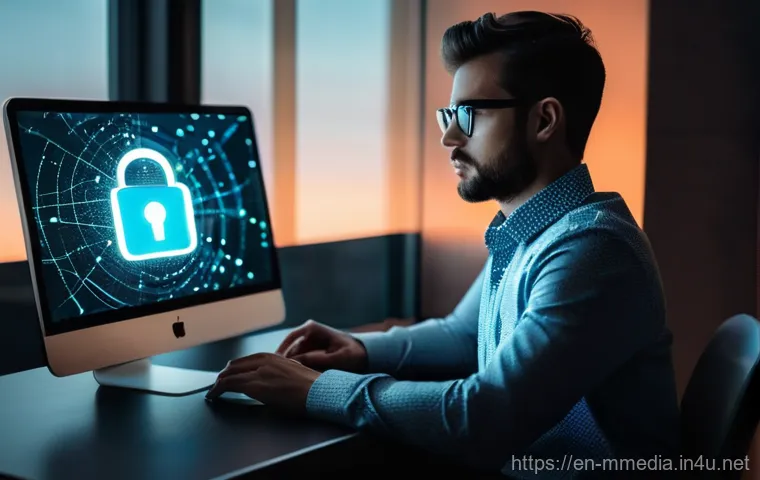
In our hyper-connected world, data is king, and how we collect, use, and store it is under intense scrutiny. This isn’t just about big tech companies anymore; it impacts every single one of us in the creator economy.
When you run a blog, host a podcast, collect email addresses for a newsletter, or even just have a comment section on your website, you’re dealing with people’s personal data.
And let me tell you, the laws around this are getting stricter globally, with regulations like GDPR in Europe and various state-specific laws in the US (like CCPA in California) setting high standards.
I’ve had to completely revamp my website’s privacy policy and data collection practices to ensure compliance, and it was a steep learning curve. The penalties for non-compliance can be hefty, but more importantly, a data breach or misuse can absolutely shatter the trust you’ve painstakingly built with your audience.
For me, that trust is priceless. It’s not just a legal obligation; it’s an ethical one. We have a responsibility to our followers to handle their information with the utmost care and transparency.
Crafting a Compliant and Transparent Privacy Policy
Creating a clear, comprehensive, and compliant privacy policy might sound like the most boring task on your creator to-do list, but it’s honestly one of the most important.
This document tells your audience exactly what data you collect, why you collect it, how you use it, and how they can exercise their rights regarding their data.
I remember when I first tried to write mine, I felt completely overwhelmed, like I needed a law degree just to understand it. But there are excellent resources and templates available that can help you get started.
The key is to be transparent and avoid jargon. Explain it in plain language. If you use analytics tools, track IP addresses, collect emails for a newsletter, or embed third-party services that collect data, your privacy policy needs to cover it.
Make sure it’s easily accessible on your website, ideally linked in the footer of every page. This isn’t just a legal checkbox; it’s a crucial tool for building and maintaining trust with your audience, showing them you respect their privacy.
Securing User Data and Consent
Beyond just having a policy, you also need to actively implement measures to secure the data you collect and ensure you have proper consent. This means things like using secure connections (HTTPS is a must!), only collecting data you genuinely need, and storing it safely.
For instance, if you’re collecting email addresses for a newsletter, are you using a reputable email marketing service that has robust security measures?
Are you clearly asking for consent, perhaps with a checkbox, before adding someone to your list? I personally use a double opt-in system for my newsletter, which means people have to confirm their subscription via an email, to ensure I have explicit consent.
It adds an extra step, but it drastically reduces spam complaints and ensures I’m only sending content to people who truly want it. This proactive approach not only keeps you legally compliant but also reinforces your commitment to your audience’s privacy, which in today’s world is a huge competitive advantage.
| Content Type | Key Legal Consideration | Creator Action |
|---|---|---|
| Original Videos/Podcasts | Copyright (human authorship) | Register copyright, use original music/licensed music, secure talent releases. |
| AI-Generated Art/Text | Copyright eligibility (human input) | Significantly edit/integrate AI output, check AI tool ToS for ownership. |
| Blog Posts/Articles | Copyright | Ensure originality, attribute sources, avoid plagiarism. |
| User Comments/Submissions | Data Privacy, Moderation, Licensing | Privacy Policy, ToS for user content, clear moderation guidelines. |
| Images (Photos/Graphics) | Copyright, Model/Property Releases | Use own images, licensed stock photos, or public domain images. |
Deepfakes, AI Voice, and Digital Identity: Safeguarding Your Likeness
The rapid evolution of AI isn’t just creating new content; it’s also creating new challenges for personal identity and likeness. Deepfakes and AI voice synthesis are incredibly powerful technologies, but in the wrong hands, they can be deeply problematic, creating convincing but fake audio and video that can put anyone’s reputation or image at risk.
I’ve seen some truly disturbing examples where creators’ voices were mimicked to promote scams, or their faces were used in misleading videos. It’s truly terrifying because it blurs the line between reality and deception, making it incredibly difficult to know what’s real anymore.
This isn’t just theoretical; it’s a very real threat to our digital identities and our ability to control how we are represented online. Governments and platforms are scrambling to catch up, implementing new transparency rules and labeling requirements, but as creators, we need to be aware of these risks and understand what recourse we have if our likeness is misused.
Protecting your personal brand has taken on a whole new dimension in the age of generative AI.
Combating Misinformation and Impersonation
One of the most immediate concerns with deepfakes and AI voice is the potential for misinformation and impersonation. Imagine your voice being used to spread false information, or a video of you being manipulated to say things you never uttered.
The damage to your reputation, career, and even personal life could be devastating. As creators, we often rely on our authentic voice and image to connect with our audience, and any erosion of that authenticity is a direct threat.
Some platforms are starting to implement policies against deceptive AI-generated content, but it’s a constant cat-and-mouse game. My personal approach is to always be transparent about any AI tools I use in my own content, and to advocate for clear labeling across the board.
If you ever find your likeness or voice being misused, gather evidence immediately and report it to the platform. Don’t hesitate to consult with legal professionals, especially if the content is defamatory or causing you harm.
We have to be vigilant guardians of our digital selves.
The Evolving Legal Landscape for AI Likeness
The legal landscape surrounding AI-generated likeness and voice is still very much in flux, but it’s evolving rapidly. Many jurisdictions are looking at extending existing defamation and privacy laws to cover AI-manipulated content, and some are even proposing new legislation specifically for deepfakes.
For instance, in the U.S., some states have laws addressing the unauthorized use of a person’s likeness in advertisements or for commercial gain, which could be applied to deepfakes.
Internationally, the EU’s AI Act, for example, includes provisions for transparency and risk assessment for AI systems, which will likely impact how deepfake technology is developed and deployed.
It’s a complex area, but what’s clear is that the right to control your own image and voice is becoming increasingly paramount. Staying informed about these developments isn’t just for legal experts; it’s essential for every creator who values their personal brand and digital presence.
This means keeping an eye on tech news, legal updates, and platform policy changes.
Smart Licensing and Collaborative Agreements: Building Solid Foundations
In the creator economy, collaboration is key. We often work with other artists, musicians, voice actors, or even brands. And with every collaboration comes the need for clear agreements on who owns what, who gets paid how much, and what rights everyone involved retains.
This is where solid licensing and collaboration agreements become your best friends. I’ve learned this the hard way after a few minor misunderstandings early in my career led to awkward conversations and a lot of wasted time trying to untangle who could use what.
It’s never fun to talk about legal stuff when you’re in the middle of a creative flow, but trust me, a few well-defined points upfront can save you a world of headaches down the line.
Whether you’re licensing music for your video, bringing in a guest for your podcast, or co-creating content with another influencer, having a written agreement, even a simple one, is absolutely crucial.
It clarifies expectations, protects everyone’s interests, and allows you to focus on the creative work with peace of mind.
Drafting Clear Collaboration Agreements
When it comes to collaborating, don’t just rely on a handshake and good intentions. That might work for small, informal projects, but once money, reputation, or significant creative effort is involved, you need something in writing.
A good collaboration agreement doesn’t have to be a multi-page legal document filled with jargon. It can be a simple contract outlining key points: who owns the intellectual property created during the collaboration, how revenue will be split, who is responsible for what tasks, what happens if the project is terminated, and how disputes will be resolved.
I’ve found that using clear, straightforward language is best, and always making sure both parties understand and agree to every point. For instance, if you’re co-hosting a podcast, define if the recordings are jointly owned, or if one party owns the master and the other has a perpetual license to use their contributions.
Getting this down on paper clarifies everyone’s rights and responsibilities, preventing future disagreements and keeping your creative partnerships harmonious and productive.
Navigating Music and Stock Content Licensing
Music and stock content are vital elements for many multimedia creators, but they’re also huge areas for potential copyright infringement if you’re not careful.
It’s easy to grab a cool track or a striking image you find online, but unless it’s explicitly labeled for free commercial use, in the public domain, or you’ve obtained a proper license, you’re playing with fire.
I’ve personally used various stock music and photo libraries over the years, and one thing I always do is carefully read their licensing terms. A “royalty-free” license often means you pay a one-time fee and can use the content multiple times, but it doesn’t mean you own the copyright or can redistribute the raw files.
Some licenses are for personal use only, others for commercial use, and some even specify limitations on broadcast or print runs. Always ensure the license covers your intended use.
Don’t just assume! Paying a small fee for a proper license is a tiny investment compared to the potential legal costs and damage to your reputation if you’re hit with a copyright claim.
It’s about respecting other creators’ work and protecting your own.
Building a Bulletproof Strategy: Practical Steps for Every Creator
Okay, we’ve covered a lot of ground, and I know it can feel like a lot to digest. But honestly, building a robust understanding of multimedia law isn’t about becoming a legal expert; it’s about empowering yourself as a creator.
It’s about making informed decisions that protect your passion, your work, and your livelihood. The digital world is constantly shifting, with new technologies and regulations emerging all the time, so staying stagnant isn’t an option.
My advice? Make it a habit to regularly review your practices, stay updated on legal developments, and don’t be afraid to invest a little time or even a small amount of money in getting things right.
This isn’t just about avoiding trouble; it’s about creating a solid foundation that allows you to innovate, collaborate, and grow your creative business with confidence.
Think of it as investing in your future self and your creative longevity. The peace of mind you gain from knowing you’ve covered your bases is truly invaluable.
Regularly Auditing Your Content and Practices
One of the most practical tips I can give you is to regularly audit your own content and practices. Just like you’d declutter your physical space, it’s a good idea to periodically review your digital assets.
This means checking your older videos for any unlicensed music, verifying that all images have proper attribution or licenses, and ensuring your privacy policy is up-to-date with any new data collection methods you might be using.
I try to do this at least once a year, or whenever there’s a major platform update or legal change. It’s also a good time to revisit your terms of service if you offer digital products or services.
Think about it: our creative output often evolves, and so should our legal compliance. Catching potential issues early can prevent them from snowballing into bigger problems down the road.
It’s a proactive step that shows you’re taking your responsibilities seriously and protecting your valuable body of work.
Staying Informed and Seeking Professional Guidance
The digital legal landscape is dynamic, to say the least. What was true yesterday might not be true today, especially with the rapid advancements in AI.
So, how do you keep up? I personally subscribe to newsletters from legal tech blogs, follow reputable intellectual property lawyers on social media, and keep an eye on official government and copyright office announcements.
You don’t need to be a lawyer, but being informed is your best defense. And here’s the kicker: don’t be afraid to seek professional legal advice when you need it.
For complex contracts, significant partnerships, or if you’re facing a serious legal challenge, a quick consultation with an attorney specializing in intellectual property or media law can be worth every penny.
It’s an investment in your business, and having an expert guide you through the intricacies can provide immense clarity and peace of mind. Remember, you don’t have to navigate these tricky waters alone!
글을 마치며
Whew! We’ve journeyed through quite a bit, haven’t we? I know delving into multimedia law can feel like a trek through a dense forest, but I truly hope this post has shone some light on the path for you. My biggest takeaway, after navigating these waters myself for years, is that knowledge truly is power. It’s not about being a legal guru, but about being an informed, empowered creator who knows how to safeguard their passion and their hard work. Embracing these principles isn’t just about avoiding trouble; it’s about building a rock-solid foundation for your creative endeavors, giving you the confidence to truly thrive in this incredible digital landscape. So, keep creating, keep learning, and keep protecting that amazing content you pour your heart into!
알아두면 쓸모 있는 정보
1. Always Deep-Dive into AI Tool Terms of Service: Seriously, this is a non-negotiable step. Every single AI tool you use, whether for text, images, or audio, comes with its own unique set of rules. I learned this the hard way when I almost made an assumption about commercial use rights that could have cost me a project! Some tools claim broad licenses to your creations, others are more creator-friendly. Before you invest time and creative energy, or even worse, build a business around content generated with these tools, take the time to read their terms. Understand who owns what, what rights you retain, and if there are any restrictions on monetization or redistribution. It’s the ultimate ‘ounce of prevention’ strategy in the AI era.
2. Copyright Registration Isn’t Just for Big Brands: While copyright exists the moment you create an original work and fix it in a tangible form, registering it with the U.S. Copyright Office is like upgrading from a basic lock to a Fort Knox vault. It creates a public record, which is incredibly useful in proving ownership, but more importantly, it allows you to sue for statutory damages and attorney’s fees if someone infringes your work. Trust me, the peace of mind knowing you have that extra layer of protection is priceless, especially if your content goes viral. It shows you’re serious, and it gives you a much stronger position if you ever need to defend your creative assets.
3. Treat Data Privacy as a Foundation for Audience Trust: In today’s digital age, how you handle your audience’s data is just as critical as the content you produce. Regulations like GDPR and CCPA aren’t just abstract legal hurdles; they reflect a growing global expectation for transparency and respect for personal information. From your website’s analytics to your newsletter sign-ups, every interaction involves data. Crafting a clear, easy-to-understand privacy policy and actively implementing secure data practices (like using HTTPS and seeking explicit consent) aren’t just legal checkboxes. They are powerful ways to build and maintain trust with your community, demonstrating that you value their privacy as much as their engagement. It’s a win-win for everyone!
4. Integrate AI Smartly to Maintain Your Human Authorship: The question of AI ownership doesn’t mean you should abandon AI tools. Instead, it means you need to be strategic about *how* you use them. Remember, the U.S. Copyright Office emphasizes human authorship. This means if an AI generates something with minimal input beyond a basic prompt, it might not be copyrightable. My personal strategy is to use AI as a powerful assistant, not a replacement. I heavily edit AI-generated text, use AI art as a base for my own significant creative modifications, or use it for brainstorming that then fuels my unique human output. By adding substantial human creative input and transformation, you strengthen your claim to ownership and ensure your work truly remains *yours*.
5. Always Document Collaborations and Licensing: In the vibrant creator economy, collaboration is king, but unspoken agreements can quickly become a tangled mess. Whether you’re working with another influencer, licensing music for your video, or using stock photography, get it in writing! A simple collaboration agreement outlining ownership, revenue splits, responsibilities, and dispute resolution can save you from future headaches and awkward conversations. Similarly, for music and stock content, carefully review and understand the licensing terms. “Royalty-free” doesn’t mean “free for anything,” and understanding the scope of your license is crucial to avoid copyright infringement. A small investment in clear documentation upfront protects everyone’s interests and keeps your creative partnerships thriving.
중요 사항 정리
Navigating the legal landscape as a creator can feel overwhelming, but it’s essential for protecting your work and building a sustainable career. Key takeaways include understanding that copyright requires human authorship, making thoughtful use of AI tools to ensure your creative contribution is clear, diligently reviewing terms of service for all platforms you use, and prioritizing data privacy to build trust with your audience. Furthermore, always secure proper licenses for third-party content and formalize collaborations with clear written agreements. By staying informed and proactive, you can confidently navigate the digital world, safeguarding your intellectual property and maintaining your reputation.
Frequently Asked Questions (FAQ) 📖
Q: I’m super excited about using
A: I tools to create art and videos. But, I’m a bit confused. Can I actually copyright the stuff I make with AI, like my new AI-generated illustrations or music tracks?
A1: Oh, this is such a fantastic question and one that I’ve personally wrestled with quite a bit! It’s awesome that you’re diving into AI creativity – it’s truly revolutionizing how we make things.
But here’s the kicker, and I’ve seen this trip up so many creators: generally speaking, the U.S. Copyright Office has been pretty clear that for something to be copyrightable, it needs a “bedrock requirement” of human authorship.
What does that mean for us? Well, if your AI just spits out an image or a song with little to no human creative input, it’s likely not going to be eligible for copyright protection.
I’ve heard stories where creators have tried to register purely AI-generated works, only to be denied. My advice? If you’re using AI, make sure you’re using it as a tool to enhance your creativity, not replace it.
Think of it like a super-advanced paintbrush. When you put your unique creative spin on it, guiding the AI, editing its output, and making distinct choices that reflect your artistic vision, that’s where you start building a stronger case for your claim.
It’s a brave new world, and honestly, the legal landscape is still evolving, but for now, human touch is key to protecting your work.
Q: Deepfakes are everywhere these days, and honestly, they freak me out a little!
A: s a creator, should I be worried about them, either for my own content or if I wanted to experiment with using them? A2: You are so right to be concerned about deepfakes – they’re a huge topic right now, and for good reason!
I’ve seen some truly mind-bending examples, and the ethical and legal implications are massive. As a creator, you absolutely should be worried about them, both defensively and if you’re thinking about integrating them into your work.
On the defensive side, it’s about protecting your own image and voice. Imagine someone using your likeness without consent to create content you’d never endorse – that’s a nightmare scenario, right?
It could severely damage your reputation and career. We’re already seeing governments, like those in the EU and China, pushing for stricter transparency and labeling requirements for deepfake content, and it’s likely the U.S.
won’t be far behind. If you’re considering experimenting with deepfakes, please be incredibly cautious. Consent is paramount.
Using someone’s likeness without their explicit, informed permission can open a huge can of worms, from defamation to intellectual property infringement and privacy violations.
Even if it’s for artistic purposes, the legal risks are significant. My personal take? Until the legal framework is much clearer and more robust, it’s a high-risk area.
Always prioritize transparency and, if you absolutely must use them, secure ironclad consent and make it unequivocally clear that the content is artificial.
Your reputation is your most valuable asset!
Q: I’ve heard horror stories about creators getting hit with copyright claims out of nowhere. What’s the best way to protect my original multimedia content and avoid those confusing legal headaches?
A: Oh, trust me, I’ve heard those stories too, and they are a total buzzkill! Nothing is worse than pouring your heart into a project only to face a confusing claim.
The absolute best way to protect your multimedia content and steer clear of those legal headaches is to be proactive and informed. First, always assume that whatever you create is subject to copyright from the moment of its creation.
That’s your starting point. Keep meticulous records of your creative process – drafts, timestamps, original files – because proof of creation date is your best friend if a dispute arises.
Second, be incredibly mindful of what you use in your content. Are you using stock music? Make sure the license covers your intended use, including commercial distribution and modifications.
Using someone else’s image? Get explicit permission or ensure it falls under fair use, which, I’ll tell you from experience, is a much narrower lane than most people think.
Third, consider registering your most valuable works with the U.S. Copyright Office. While copyright technically exists at creation, registration provides significant legal advantages, like the ability to sue for infringement and potentially recover statutory damages and attorney’s fees.
It’s an extra layer of protection that, in my opinion, is totally worth it for your flagship content. Staying informed about copyright law is your superpower in this digital age, helping you protect your passion and ensure your incredible work gets the recognition and earnings it deserves without any nasty surprises.