Ever scrolled through your feed, utterly captivated by a brilliant short-form video, or perhaps got lost in an immersive podcast series on your commute?
It’s incredible how much compelling multimedia content we consume daily, isn’t it? What many of us often don’t realize is the intricate magic behind the curtain – the diverse, talented individuals and specialized teams who bring these digital masterpieces to life.
In today’s hyper-connected world, where everything from viral TikToks and cinematic YouTube documentaries to engaging podcasts and even immersive AR/VR experiences reigns supreme, understanding the constantly evolving roles within multimedia content production is more crucial than ever.
From my years of navigating this dynamic industry, I’ve personally witnessed how these roles are rapidly transforming, often augmented by AI, adapting to new platforms, and demanding a blend of creativity, technical prowess, and strategic thinking.
The journey from a raw idea to a polished piece of content is a fascinating, collaborative effort, continuously reshaped by innovation and the drive to capture audience attention.
So, if you’re eager to uncover the masterminds behind your favorite digital experiences and understand who truly does what in this exciting, ever-changing world of content creation, let’s dive into the precise details right here!
The Visionaries Behind the Screen: Crafting Unforgettable Experiences
Bringing Stories to Life: Directors and Content Strategists
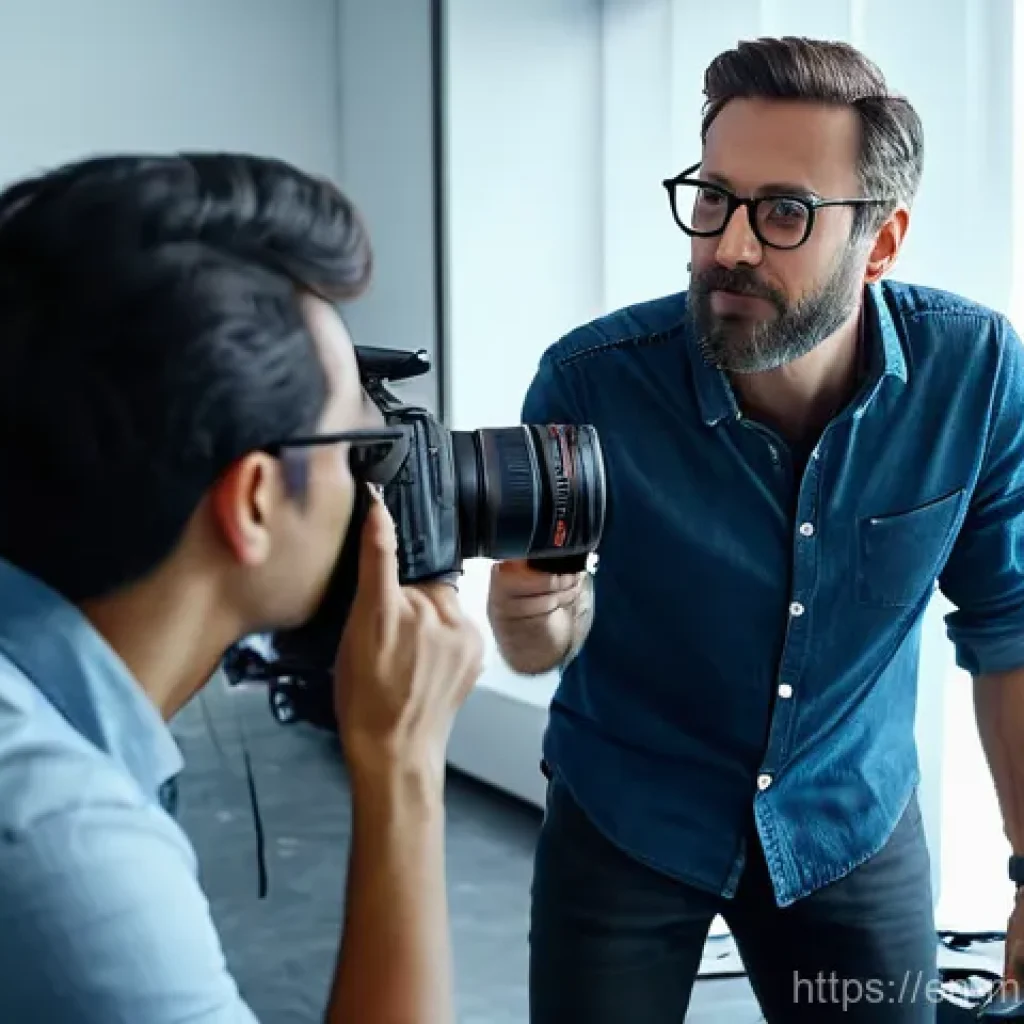
When you stumble upon a piece of content that genuinely resonates, whether it’s a captivating documentary or a hilarious short-form video, there’s always a guiding force behind it. That’s often the director or the lead content strategist. I’ve personally seen how these roles are the ultimate storytellers, taking a raw idea and sculpting it into something truly engaging. They’re the ones setting the overarching vision, ensuring every element—from the script to the visuals—aligns with the intended message and audience. It’s not just about managing people; it’s about inspiring a team, articulating a creative direction, and making pivotal decisions that shape the entire project. From my perspective, their ability to foresee potential hurdles and pivot creatively is what often separates a good piece of content from a truly great one. They’re constantly thinking about the emotional impact and how to keep viewers hooked, which directly translates to longer watch times and higher engagement, something every content creator dreams of for their AdSense performance.
Painting with Light: The Art of Cinematography and Visual Design
Right alongside the director, the cinematographer (or Director of Photography) and visual designers are the magicians who make everything look stunning. They’re not just operating cameras or clicking buttons; they’re artists who understand light, color, composition, and mood inside and out. I remember one particular outdoor shoot where the light was constantly changing. Our DP had this incredible knack for adjusting on the fly, making sure every shot felt consistent and beautiful. It’s a delicate dance of technical skill and creative intuition. For web content, this translates to compelling graphics, engaging animations, and a polished visual aesthetic that screams professionalism. Their choices directly impact the user’s first impression and can make or break whether someone stays on your page or scrolls past. A visually appealing video or blog post just feels more trustworthy and authoritative, don’t you think?
The Architects of Sound: Building Immersive Audio Worlds
Mixing and Mastering: The Sonic Experience
Have you ever watched a fantastic video only to be pulled out of the experience by terrible audio? I certainly have, and it’s a real buzzkill! That’s where the audio engineers and sound designers step in. These pros are the unsung heroes who ensure every whisper, every piece of background music, and every sound effect is perfectly balanced and crystal clear. From my early days in content creation, I quickly learned that sound is at least half the battle in creating an immersive experience. They meticulously mix audio levels, remove annoying background noise, and add effects that elevate the storytelling. Their expertise can make a simple conversation sound intimate or a dramatic moment feel epic. A well-mixed podcast or video keeps listeners engaged longer, boosting those crucial dwell times that AdSense loves. It’s a skill that requires a keen ear and a deep understanding of acoustics, and honestly, it’s a game-changer for content quality.
The Voice Behind the Mic: Talent and Voiceover Artists
Beyond the technical mixing, there’s the human voice itself. Voiceover artists and on-screen talent are the personalities that connect directly with the audience. Whether it’s a calm, authoritative narrator for an educational video or an energetic host for a vlog, their performance is vital. I’ve always felt that a great voiceover can transform even the most complex information into something easily digestible and enjoyable. It’s about more than just reading lines; it’s about conveying emotion, maintaining pace, and establishing a rapport with the listener. Their delivery can significantly influence how trustworthy and authoritative your content is perceived. A clear, confident, and engaging voice ensures that your message is heard, understood, and remembered, making your content stand out in a crowded digital landscape and encouraging repeat visits.
Seamless Execution: The Backbone of Production
Producers and Project Managers: Keeping Everything on Track
Behind every successful multimedia project, there’s a wizard tirelessly coordinating everything. These are the producers and project managers, and honestly, they’re the glue that holds it all together. From my experience on various projects, their role is incredibly dynamic – they’re budgeting, scheduling, managing teams, and troubleshooting problems before anyone else even knows they exist. They’re the ones ensuring deadlines are met, resources are allocated efficiently, and communication flows smoothly between all the different creative and technical teams. Without them, even the most brilliant ideas can get lost in chaos. Think about the complexity of shooting a multi-location commercial or producing a weekly podcast series; their organizational prowess is what makes it all seem effortless to the outside world, minimizing costly delays and ensuring a smooth, profitable workflow.
The Post-Production Powerhouses: Editors and Animators
Once all the raw footage and audio are captured, the real magic of shaping the final story happens in post-production. Editors are like sculptors, taking hours of material and chiseling it down into a cohesive, impactful narrative. They control the pacing, the emotional beats, and the overall flow, ensuring every cut serves a purpose. Animators, on the other hand, bring static images or concepts to life, creating everything from motion graphics for explainer videos to full-blown character animations. I’ve always been amazed by how an editor can completely transform a piece of footage, or how an animator can turn a dry statistic into a captivating visual. Their work directly influences how engaging and digestible the content is, crucial for keeping viewers watching until the very end and boosting those all-important AdSense metrics like CTR and RPM.
Bridging Creativity and Code: The Digital Experience Makers
Web Developers and UX/UI Designers: Crafting the Digital Space
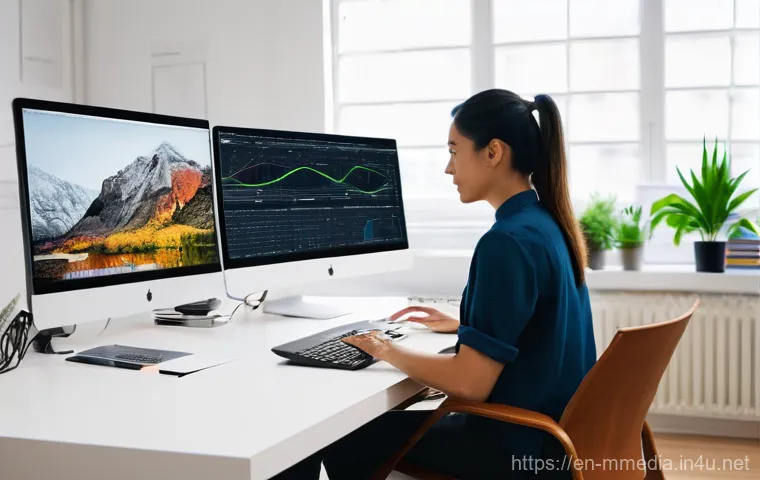
For a lot of us, multimedia content isn’t just a video or an audio file; it lives on a website, an app, or a specific platform. This is where web developers and UX/UI designers become absolutely indispensable. They are the architects of the digital experience, building the environments where our content thrives. UX designers focus on making the user journey intuitive and enjoyable, ensuring that navigating your blog or podcast page is seamless. UI designers then make sure it looks fantastic, creating visually appealing interfaces that are easy on the eyes and simple to interact with. I’ve learned that even the most compelling content can fall flat if the user experience is clunky or confusing. A well-designed website or app reduces bounce rates, increases time on site, and encourages repeat visits, all of which are gold for monetization. They make sure your amazing content is presented in the best possible light, easy to find, and a joy to consume.
SEO Specialists and Data Analysts: Maximizing Reach and Impact
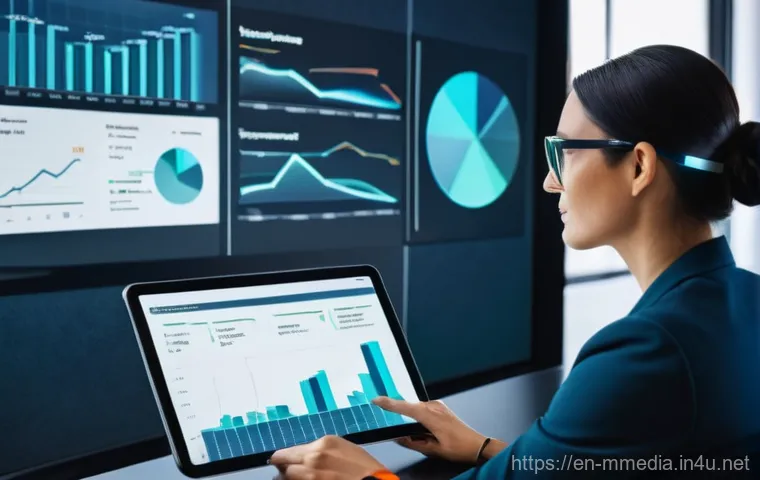
Creating amazing content is one thing; getting it seen by the right people is another entirely. This is where SEO specialists and data analysts come into play, working behind the scenes to ensure your content reaches its full potential. SEO (Search Engine Optimization) isn’t just about keywords anymore; it’s about understanding audience intent, building authority, and optimizing every technical aspect of your content to rank higher. Data analysts then dive into the numbers, interpreting audience behavior, identifying trends, and providing insights that inform future content strategy. Personally, I rely heavily on their feedback to refine my approach, understanding what topics resonate, what content formats perform best, and where my audience is coming from. Their insights are crucial for maximizing ad revenue, ensuring your content isn’t just good, but also strategically positioned for maximum visibility and impact.
Ensuring Excellence: The Quality Gatekeepers
Quality Assurance Testers: The Detail Detectives
Before any piece of multimedia content goes live, there’s always a crucial final step: quality assurance. QA testers are the meticulous detectives who comb through every single detail, looking for glitches, broken links, typos, audio imbalances, or any other imperfections that could detract from the user experience. I’ve often caught minor errors myself, but a dedicated QA team has a systematic approach that’s just invaluable. They’ll test across different devices and platforms, ensuring consistency and functionality. Their work is about preserving the reputation of your content and your brand. Imagine putting out a brilliant video only to have viewers complain about a persistent bug or a sudden audio drop – it immediately undermines your credibility. Good QA ensures that your content is not just creative but also robust and reliable, which builds immense trust with your audience and encourages them to keep coming back.
Localization Specialists: Connecting Globally
In our hyper-connected world, reaching a global audience is more important than ever, and that’s where localization specialists shine. These professionals adapt content for different cultural and linguistic contexts, ensuring that your message resonates authentically with audiences worldwide. It’s far more than just translation; it involves understanding cultural nuances, adapting idioms, and ensuring that visual or auditory elements are appropriate and impactful in specific regions. For instance, a reference that lands perfectly in the US might fall flat or even be offensive in Europe or Asia. I’ve seen firsthand how a well-localized campaign can dramatically expand reach and engagement. By making your content culturally relevant, localization specialists open up new markets, grow your audience, and ultimately, amplify your earning potential across different demographics.
The Evolution of Roles: AI and the Future of Creation
AI-Powered Tools: Enhancing Creativity, Not Replacing It
It’s impossible to talk about current trends without mentioning the elephant in the room: AI. For a while, there was a lot of buzz (and a little fear!) about AI replacing creative roles. But what I’ve personally experienced is quite the opposite. AI is becoming an incredible *assistant* to content creators. Tools that help with everything from generating initial script ideas and suggesting optimal SEO keywords to automating tedious editing tasks are now commonplace. For example, AI can quickly transcribe audio, generate captions, or even help with basic video editing, freeing up human creators to focus on the higher-level creative strategy and emotional storytelling. It’s about leveraging technology to become more efficient and innovative, allowing us to produce more high-quality content faster. This shift means content professionals need to adapt, becoming adept at using these tools to their advantage, thereby increasing their productivity and value.
The Rise of Hybrid Skills: The Multi-Talented Creator
The evolving landscape, especially with the integration of AI, means that the most successful content creators are increasingly those with hybrid skill sets. Gone are the days when you could be *just* a video editor or *just* a writer. Now, employers and clients are looking for individuals who can wear multiple hats – perhaps a videographer who can also handle basic graphic design, or a writer who understands SEO and can dabble in audio editing. I’ve definitely felt this pressure and have continuously upskilled myself over the years. This blend of creativity, technical savvy, and strategic thinking makes individuals incredibly versatile and valuable in a fast-paced environment. It means being open to continuous learning and embracing new technologies. This adaptability not only makes you more employable but also allows you to see projects through a holistic lens, from initial concept all the way to monetization strategy, driving better results across the board.
Monetization Mastery: Turning Content into Profit
Strategic Ad Placement and Engagement Optimization
Let’s be real, while we all love creating, most of us also want to earn a living from it, right? And that’s where strategic monetization comes in. For many online creators, AdSense is a key player, and understanding how to maximize its potential is crucial. It’s not just about getting views; it’s about getting the *right* views and keeping people engaged. This means carefully considering where ads are placed within your content – too many, and you annoy your audience; too few, and you leave money on the table. It also means crafting content that naturally encourages longer watch times and higher click-through rates (CTR) on relevant ads. I’ve found that content that provides genuine value, solves a problem, or tells a compelling story naturally performs better in terms of engagement metrics, which in turn boosts my earnings per thousand impressions (RPM) and overall CPC. It’s a delicate balance of providing value and subtly guiding your audience through your content.
Diversifying Revenue Streams: Beyond Just Ads
While AdSense is fantastic, I always advise creators not to put all their eggs in one basket. The most successful multimedia influencers I know have diversified their revenue streams. This could mean incorporating affiliate marketing into your blog posts or video descriptions, offering premium content or courses, securing sponsorships with brands that align with your values, or even selling merchandise. For instance, if you’re a podcast creator, offering exclusive bonus episodes on a platform like Patreon can be a significant earner. It’s about building a loyal community that trusts your recommendations and is willing to support your work. By broadening your income sources, you create a more stable and sustainable career as a content creator, making you less vulnerable to changes in ad rates or platform algorithms. It’s a smart, forward-thinking approach to building a long-term content business.
| Role Category | Key Responsibilities | Impact on Content & Monetization |
|---|---|---|
| Creative Direction | Vision setting, storytelling, script development, talent guidance. | Defines content quality and emotional resonance; drives audience engagement and brand loyalty. |
| Visual & Audio Production | Cinematography, editing, animation, sound design, voiceovers. | Enhances aesthetic appeal and immersion; crucial for viewer retention and perceived professionalism. |
| Project Management | Budgeting, scheduling, team coordination, resource allocation. | Ensures timely delivery and efficient use of resources; directly affects profitability and scalability. |
| Digital Experience | Web/app development, UX/UI design, platform optimization. | Improves user journey and accessibility; lowers bounce rates and increases time on site, boosting ad views. |
| Strategy & Analytics | SEO, market research, data analysis, monetization strategy. | Maximizes content visibility and reach; optimizes ad placement and diversifies revenue streams. |
Wrapping Things Up
Whew! What an incredible journey we’ve taken through the fascinating world of content creation, uncovering all the brilliant minds and dedicated hands that bring our favorite stories and experiences to life. It truly is a symphony, isn’t it? Every role, from the visionary director to the meticulous QA tester, plays a crucial part in crafting something truly unforgettable. I’ve personally felt the immense satisfaction when all these pieces click into place, creating content that not only looks and sounds fantastic but also genuinely connects with people. It’s a testament to the power of collaboration and the relentless pursuit of excellence that fuels our industry. Keep creating, keep innovating, and keep that passion burning!
Handy Tips for Content Creators
Here are a few nuggets of wisdom I’ve picked up along my journey, things that really make a difference:
1. Master a Diverse Skillset: The more hats you can wear, the more invaluable you become. Even a basic understanding of related fields like editing, graphic design, or SEO can elevate your primary skill and make you a more well-rounded creator.
2. Analytics Are Your Best Friend: Don’t just create content and forget about it. Dive into your data! Understanding what resonates with your audience, where they drop off, and what drives clicks is absolutely essential for refining your strategy and boosting those AdSense metrics.
3. Prioritize Engagement Over Clicks: While clicks are great, true engagement – like longer watch times or thoughtful comments – tells search engines and ad platforms that your content is valuable. Focus on creating genuinely captivating material, and the monetization will follow.
4. Think Beyond AdSense: While AdSense is a fantastic baseline, explore other revenue streams. Affiliate marketing, sponsorships, premium content, or even selling digital products can build a much more robust and reliable income stream for your efforts.
5. Embrace AI, Don’t Fear It: AI isn’t here to replace human creativity; it’s here to augment it. Learn to use AI tools for brainstorming, basic editing, transcription, or SEO research. It frees up your time to focus on the truly creative and human aspects of your work.
Key Takeaways
Ultimately, creating stellar multimedia content is a intricate dance of many talents, where each person brings their unique expertise to the table. From the initial spark of an idea to the final polished product reaching your screens, it’s a testament to strategic vision, technical prowess, and an unwavering commitment to the audience. Success in this dynamic landscape hinges on continuous learning, adapting to new technologies like AI, and strategically understanding both your audience and how to effectively monetize your passion. It’s about building trust, fostering engagement, and consistently delivering value that keeps people coming back for more.
Frequently Asked Questions (FAQ) 📖
Q: What are the primary roles involved in creating today’s engaging multimedia content, like those viral TikToks or immersive podcasts?
A: Oh, this is a fantastic question, and honestly, the answer has gotten so much more dynamic over the years! Back in the day, you had pretty distinct lines, but now, especially with how accessible creation tools have become, roles often blend, particularly for independent creators.
But generally, when we’re talking about a polished piece of multimedia content, you’re looking at a symphony of talents. At the core, you have the Content Strategist, who’s like the architect, figuring out what to create, for whom, and why.
They’re digging into audience data and market trends to ensure the content hits just right. Then, there’s the Producer, the project manager who keeps everything on track, from concept to final delivery, making sure the vision comes to life within budget and deadlines.
Of course, we can’t forget the hands-on magic! You’ll find Writers crafting compelling scripts or narratives, whether it’s for a podcast episode or a YouTube documentary.
Then come the Visual Designers and Motion Graphic Artists, who are the maestros of aesthetics, creating everything from eye-catching thumbnails and intricate animations to stunning visual effects.
On the audio side, you have Sound Designers and Audio Engineers, ensuring the soundscapes are immersive and crystal clear for those podcasts or video voiceovers.
And finally, the Video Editors or Multimedia Specialists tie it all together, weaving raw footage, graphics, and audio into that seamless, engaging experience we see.
Sometimes, especially in smaller setups, one person wears many hats, but for high-quality, complex projects, it’s definitely a team effort!
Q: How has artificial intelligence (
A: I) started to change or even enhance these multimedia production roles? A2: This is a hot topic, right? From what I’ve personally experienced and observed across the industry, AI isn’t replacing creators, but it’s absolutely transforming our workflows and opening up some seriously cool new possibilities.
Think of AI as a super-efficient co-pilot that handles a lot of the heavy lifting. For example, in post-production, AI-powered tools can automate tasks like video editing, analyzing footage to pick the best shots, or even generating basic cuts.
This means editors can focus more on the creative storytelling and less on the repetitive, time-consuming tasks. I’ve seen AI help immensely with script generation or even just brainstorming ideas for podcasts or video concepts.
It can analyze market trends and audience preferences in a blink, giving content strategists incredible insights to inform their decisions. For visual creators, AI can generate images from text prompts, assist with graphic design layouts, and even automate animations, speeding up the creative process significantly.
We’re also seeing AI used for audio enhancement, like noise reduction, and even generating realistic voiceovers. So, while the core creative roles remain, AI tools are making us faster, more efficient, and, dare I say, even more creative by freeing us up to innovate.
It’s truly an exciting time to be in content creation!
Q: For someone looking to break into multimedia content creation, what skills or mindset do you personally think are most crucial to succeed in this dynamic industry?
A: Ah, if I could go back and tell my younger self a few things, this would be it! Beyond the technical stuff – which, don’t get me wrong, is super important (think proficiency in tools like Adobe Creative Suite, video editing software, and even basic graphic design) – what truly sets successful creators apart is a unique blend of soft skills and a particular mindset.
First off, adaptability and a hunger for continuous learning are non-negotiable. This industry moves at lightning speed, and if you’re not constantly learning new software, platforms, or storytelling techniques, you’ll get left behind.
I’ve always made it a point to try new tools and watch what others are doing – it’s like an ongoing, free masterclass! Secondly, storytelling ability is paramount, no matter your specific role.
Whether you’re writing a script, designing a graphic, or editing a video, you need to understand how to craft a compelling narrative that connects with people emotionally.
It’s not just about flashy effects; it’s about making your audience feel something. And on that note, having a “growth mindset” is everything. You’re going to face challenges, content that flops, and moments of self-doubt.
But seeing these as opportunities to learn and pivot, rather than failures, is critical. Embrace experimentation, ask for feedback, and don’t be afraid to put imperfect work out there and iterate.
Finally, and I truly believe this, cultivating genuine passion and resilience will carry you through. This isn’t a 9-to-5 grind; it’s a creative marathon.
If you love what you do, that energy shines through and resonates with your audience, keeping you going when things get tough. Trust me, I’ve lived it!