
In today’s fast-paced digital world, sound design has become a game-changer in multimedia production, transforming ordinary projects into immersive experiences.
Whether you’re a content creator, filmmaker, or game developer, mastering sound can elevate your creativity to new heights. With the rise of advanced audio technologies and AI-driven tools, now is the perfect time to explore the secrets behind impactful sound design.
I’ve personally seen how subtle audio tweaks can dramatically shift audience engagement and emotional response. Let’s dive into how unlocking these sound design techniques can set your work apart and keep your audience hooked from start to finish.
Crafting Atmosphere Through Sound Layers
Understanding the Role of Ambient Sounds
Ambient sounds are the unsung heroes of any immersive experience. They create a subtle backdrop that grounds the audience in the scene without distracting from the main action.
When I first started experimenting with ambient layers, I realized how a simple addition like distant city noise, rustling leaves, or a faint hum could make a virtual environment feel alive and authentic.
These sounds aren’t just filler—they cue the brain into the setting and mood, helping viewers or players feel as if they’re truly inside the world you’ve built.
The key is balancing these sounds so they support rather than overpower the primary audio elements.
Building Depth with Multiple Sound Layers
Layering different audio elements adds richness and complexity that single sounds can’t achieve alone. For example, in a nature scene, combining bird calls, wind rustling through branches, and a babbling brook creates a dynamic soundscape.
I’ve found that layering allows for subtle movement and variation, which keeps the audio engaging throughout longer sequences. The trick is to carefully EQ and pan each layer so they occupy their own space in the mix, preventing muddiness.
When done right, this layering technique makes the environment more tangible and emotionally resonant.
Using Sound Textures to Evoke Emotions
Sound textures—like rough, smooth, sharp, or soft qualities—can deeply influence the emotional tone of a project. I remember working on a suspenseful scene where the use of gritty, distorted sounds increased tension without needing any dialogue.
In contrast, soft, warm textures can evoke comfort or nostalgia. Understanding how to manipulate these textures through effects like reverb, distortion, or filtering allows creators to steer the audience’s feelings subtly but powerfully.
Experimenting with unconventional sounds often leads to unique emotional cues that resonate more authentically than stock effects.
Strategic Use of Silence and Pauses
Silence as a Dramatic Tool
Silence isn’t just the absence of sound; it’s a powerful storytelling device that can heighten anticipation and focus attention. I’ve noticed that well-placed silence before a key moment makes the following sound or dialogue hit harder emotionally.
It creates a sense of space where the audience’s imagination fills the gap, often making the experience more personal and intense. Learning when to pull back sound completely is just as important as adding layers—too much constant noise can tire the listener, while silence refreshes and resets their attention.
Timing Pauses to Enhance Impact
Pauses in sound design work like punctuation in writing. They give the audience a moment to digest what they’ve heard and prepare for what’s next. For instance, in a game, a brief pause after a dramatic event can build suspense before the next challenge.
I’ve used strategic pauses to great effect in videos, where a momentary drop in sound draws viewers deeper into the narrative. Mastering these pauses requires a good sense of pacing and rhythm, often developed through trial, error, and attentive listening.
Balancing Silence with Background Noise
Complete silence can sometimes feel unnatural, especially in real-world settings. That’s why balancing silence with subtle background noise is essential.
I often add barely audible room tones or low-frequency hums to maintain realism while still giving the feeling of quiet. This nuanced approach prevents the jarring sensation of an empty soundscape and keeps the audience comfortably immersed.
It’s a delicate balance, but when achieved, it adds a layer of polish that separates amateur work from professional-grade productions.
Leveraging AI Tools to Enhance Creativity
Automating Routine Sound Editing Tasks
AI-powered tools have revolutionized the way I handle repetitive sound editing chores like noise reduction, audio leveling, and syncing. These tools free up time and mental bandwidth, allowing me to focus more on creative decisions rather than technical fixes.
For example, using AI to clean up dialogue tracks quickly means I can experiment more with sound effects and music without worrying about audio quality.
This automation not only speeds up production but also improves consistency, especially in projects with tight deadlines.
Generating Unique Soundscapes with AI Assistance
Some AI platforms now help generate soundscapes or suggest audio elements based on your project’s mood or theme. I tried one recently that crafted ambient noises for a sci-fi environment, and it was surprisingly nuanced.
While AI shouldn’t replace human creativity, it can spark new ideas or provide a starting point that you refine and personalize. This collaboration between human intuition and AI efficiency creates sound designs that are fresh and unexpected, pushing creative boundaries.
Challenges and Limitations of AI in Sound Design
Despite the benefits, AI isn’t perfect—sometimes it misses emotional nuances or creates generic sounds that don’t quite fit the project’s vibe. I’ve learned that AI-generated audio often requires human tweaking to add character and authenticity.
Moreover, overreliance on AI can lead to homogenized sounds that lack originality. The best approach is to treat AI as a helpful assistant rather than a replacement, blending its speed with your artistic judgment to craft truly compelling audio experiences.
Sound Design Techniques for Emotional Storytelling
Using Sound Motifs to Reinforce Themes
Repetition of specific sounds or musical phrases, known as motifs, can subconsciously tie together different parts of a story. I once created a subtle melody that played quietly whenever a character appeared, reinforcing their presence and emotional arc.
This technique deepens the audience’s connection and provides continuity. It’s a powerful way to embed meaning without words, making your narrative more cohesive and memorable.
Manipulating Pitch and Tempo to Influence Mood
Pitch and tempo changes can dramatically alter how a scene feels. Higher pitches often evoke tension or excitement, while lower tones can suggest calm or menace.
Speeding up audio increases urgency, whereas slowing it down adds weight or melancholy. I often experiment with these parameters to match the emotional beats of a story.
For example, slowing down a sound effect during a reflective moment can enhance its impact, making the audience linger on the feeling longer.
Syncing Sound with Visuals for Maximum Effect
Precise synchronization between audio and visuals is essential to make moments hit harder. Whether it’s the thud of a footstep matching a character’s movement or a crescendo timed with a plot twist, syncing creates a seamless sensory experience.
I’ve found that even small timing adjustments can elevate the immersion, making scenes feel more natural and engaging. This careful alignment requires patience but pays off in the audience’s emotional investment.
Practical Tips for Mixing and Mastering Audio
Balancing Frequencies for Clarity
One of the biggest challenges I’ve faced is ensuring every sound sits well in the mix without clashing. Using equalization (EQ) to carve out space for each element prevents sounds from overlapping and muddying the overall audio.
For example, cutting low frequencies on dialogue tracks helps keep voices clear when music or effects have heavy bass. This frequency balancing act is crucial for professional-sounding results and keeps listeners engaged rather than overwhelmed.
Utilizing Dynamic Range to Add Interest
Dynamic range—the contrast between the quietest and loudest sounds—adds excitement and realism. I learned early on that compressing everything too much makes audio flat and fatiguing.
Allowing natural dynamics, like a soft whisper followed by a sudden loud sound, creates emotional highs and lows that captivate audiences. Proper use of compressors and limiters ensures these dynamics are controlled without losing their impact, making your project feel alive.
Finalizing with Consistent Loudness Levels
Maintaining consistent loudness throughout a project prevents listeners from constantly adjusting their volume, which can be distracting. I always check my mixes using loudness meters and test on different playback systems—headphones, speakers, even phone speakers—to ensure uniformity.
This attention to detail enhances professionalism and makes your content more accessible and enjoyable across platforms.
Essential Tools and Software for Sound Innovators
Digital Audio Workstations (DAWs) for Flexibility
Choosing the right DAW is foundational. I’ve worked with several, including Ableton Live, Pro Tools, and Logic Pro, each offering unique workflows and features.
Ableton’s clip-based approach suits experimental sound design, while Pro Tools shines in film and TV post-production. Logic Pro is fantastic for musicians and composers integrating sound design.
Finding a DAW that matches your style and project needs can streamline your creative process significantly.
Plug-ins That Transform Your Audio
Beyond the DAW, plug-ins expand your sonic palette. I rely heavily on reverbs, delays, and modulation effects to add dimension. Specialized tools like spectral analyzers and noise gates help with precision editing.
Some innovative plug-ins simulate real-world spaces or vintage gear, adding character. Experimenting with these effects has helped me discover unique sounds that elevate my projects from standard to standout.
Hardware Options for Hands-On Control
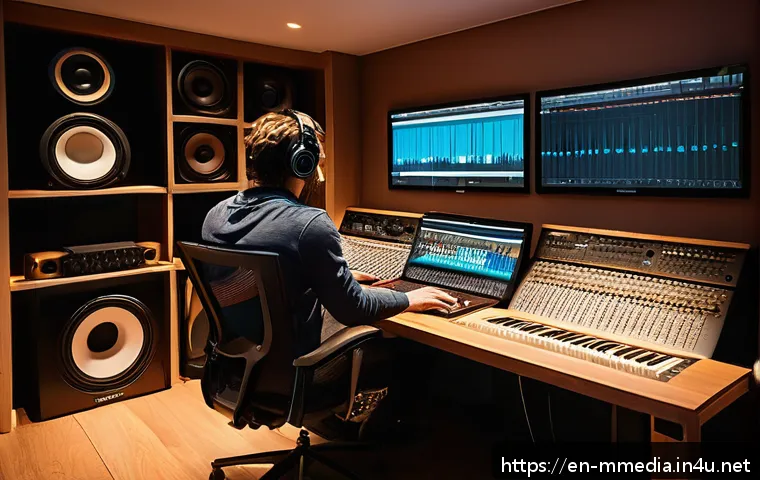
While software is dominant, hardware still plays a vital role. I enjoy using MIDI controllers and mixing consoles for tactile interaction, which feels more intuitive than a mouse.
High-quality microphones and audio interfaces ensure clean recordings, critical for capturing raw sound elements. Investing in good headphones and monitors is also essential for accurate mixing.
This blend of hardware and software creates a more immersive and efficient workflow.
| Tool Type | Recommended Options | Key Benefits | Ideal For |
|---|---|---|---|
| Digital Audio Workstation (DAW) | Ableton Live, Pro Tools, Logic Pro | Flexible workflows, extensive features, integration with plug-ins | Sound designers, composers, post-production |
| Plug-ins | Valhalla Reverb, FabFilter Pro-Q, Waves Delay | Sound enhancement, creative effects, precision editing | Mixing, mastering, creative sound design |
| Hardware | MIDI Controllers, Audio Interfaces, Studio Monitors | Tactile control, high-quality recording, accurate monitoring | Recording, mixing, live performance |
Integrating Sound Design with Audience Engagement Strategies
Using Audio to Guide Viewer Attention
Sound can subtly direct where and when the audience focuses. For instance, a sudden sound cue can pull attention to an off-screen action or foreshadow an upcoming event.
I often use directional sound panning to create spatial awareness, making the experience feel interactive and alive. This technique keeps viewers or players actively engaged, enhancing their overall immersion.
Creating Memorable Audio Branding
Unique sound signatures or jingles can reinforce brand identity and leave lasting impressions. I’ve helped clients develop short sonic logos that instantly trigger recognition.
These audio cues build familiarity and trust over time, crucial for content creators and marketers alike. Crafting memorable audio branding requires creativity and consistency but pays dividends in audience loyalty.
Encouraging Emotional Connection Through Sound
Ultimately, sound design’s power lies in its ability to evoke feelings. When audiences connect emotionally, they’re more likely to remember and share your work.
I’ve seen firsthand how carefully chosen sounds can deepen empathy, excitement, or nostalgia. By prioritizing emotional resonance in your sound design, you create experiences that don’t just entertain but also move people on a personal level.
Closing Thoughts
Sound design is an art that breathes life into any story or environment. By thoughtfully layering sounds, embracing silence, and leveraging technology, creators can craft immersive experiences that resonate deeply with audiences. Whether through emotional storytelling or technical precision, sound shapes how we perceive and connect with content. Keep experimenting and listening closely to unlock the full potential of your audio work.
Useful Information to Keep in Mind
1. Always balance ambient sounds carefully to enhance immersion without overpowering the main audio elements.
2. Use multiple sound layers with distinct frequency and spatial placement to create a rich and clear soundscape.
3. Silence and pauses are powerful tools for building tension and refreshing listener attention.
4. AI tools can speed up routine editing and inspire creativity but require human refinement for authentic results.
5. Consistent loudness and dynamic range management are essential for a professional and engaging listening experience.
Key Takeaways for Effective Sound Design
Mastering sound design means blending creativity with technical skill. Prioritize emotional impact by carefully selecting and manipulating textures, motifs, and timing. Use silence strategically to create space and focus. Embrace technology as a helpful aid but maintain your unique artistic touch. Finally, ensure your mix is clear, balanced, and consistent across playback systems to maximize audience engagement and satisfaction.
Frequently Asked Questions (FAQ) 📖
Q: uestions about Sound Design in Multimedia ProductionQ1: How can sound design improve audience engagement in my projects?
A: Sound design plays a crucial role in shaping the emotional atmosphere and storytelling of any multimedia project. By carefully selecting and layering sounds, you can evoke specific feelings—whether tension, joy, or suspense—that draw viewers deeper into the experience.
From my own work, I’ve noticed that even small audio adjustments, like subtle background ambiances or well-timed sound effects, can dramatically increase how invested the audience feels.
This heightened engagement keeps them hooked from start to finish, making your content more memorable and impactful.
Q: What are some beginner-friendly tools or techniques for someone new to sound design?
A: If you’re just starting out, don’t worry about expensive gear or complex software right away. There are plenty of user-friendly tools like Audacity or GarageBand that offer solid editing capabilities without overwhelming you.
Begin by experimenting with layering simple sounds and learning basic effects like reverb or EQ to see how they change the mood. Also, recording your own sounds—even everyday noises—can add a unique touch.
The key is to practice regularly and listen critically; I found that analyzing how sound is used in movies or games helped me grasp effective techniques quickly.
Q: How is
A: I impacting sound design, and should I rely on it? A3: AI-driven audio tools have made it easier to generate soundscapes, automate mixing, and enhance audio quality, which can save time and open creative possibilities.
However, I’ve learned that relying solely on AI can sometimes result in generic or less emotionally resonant sounds. The best approach is to use AI as a helpful assistant rather than a replacement—letting you focus on the creative vision while the technology handles routine tasks.
This balance ensures your sound design remains authentic and tailored to your project’s unique needs.